Civil Rights: What They Protect, How They Evolved, and Why They Matter
Civil rights protect people from unlawful discrimination and help them participate in public life on equal terms. A student denied admission because of ethnicity, an applicant rejected for their religion, or a voter unlawfully turned away may face a civil rights issue. What matters legally is the right involved, the institution responsible, and the remedy available.
In the United States, civil-rights protections draw on the Constitution and federal statutes. The Fourteenth Amendment addresses equal protection and due process by government, while laws such as the Civil Rights Act, ADA, Fair Housing Act, and Voting Rights Act cover defined settings. State and local laws may add protections.
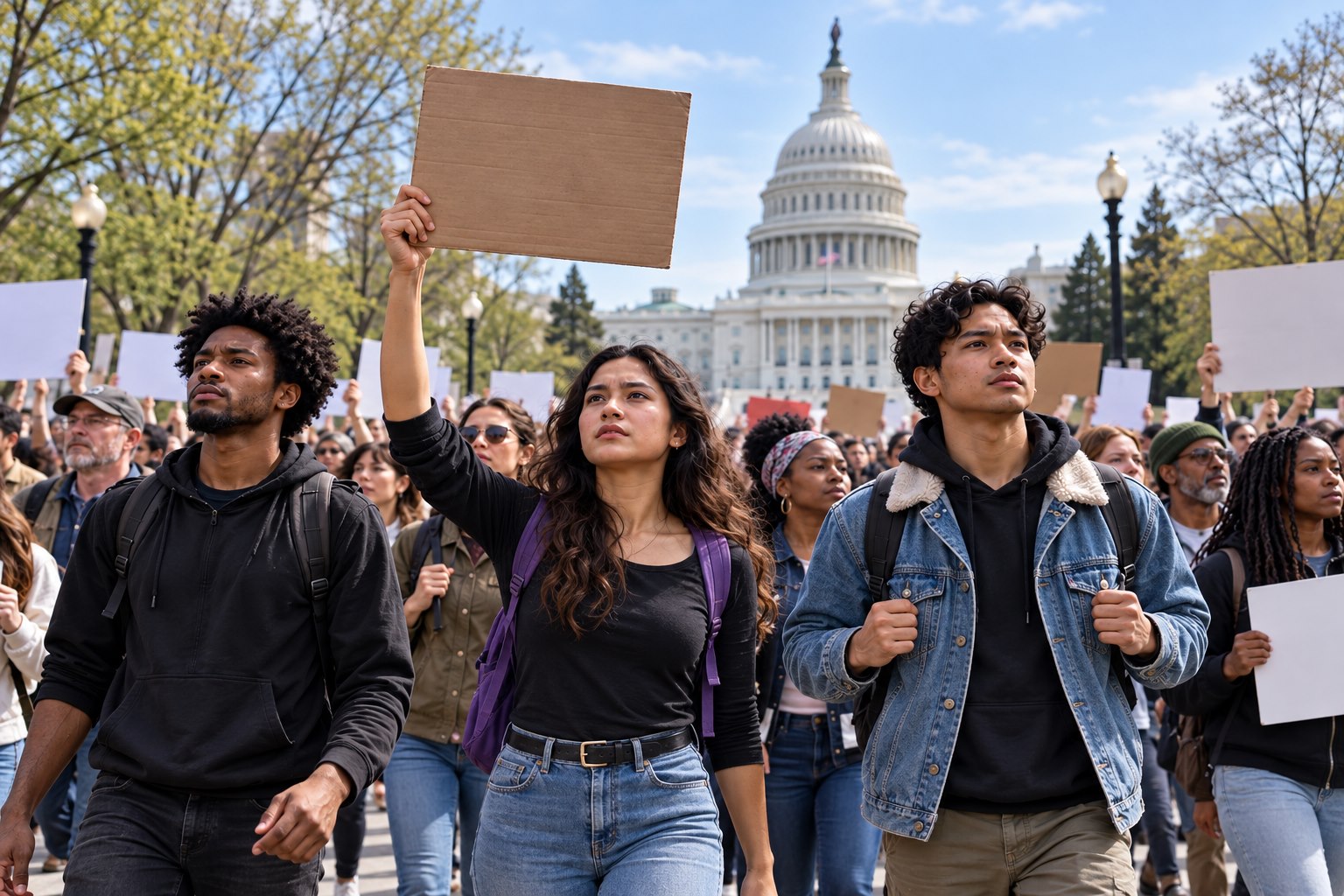
What Are Civil Rights?
Civil rights cover legally protected equality in areas such as voting, education, employment, housing and public services. Coverage and remedies vary by jurisdiction.
Suppose two equally qualified applicants seek a public-sector job and one is rejected because of a protected characteristic unrelated to the work. To assess discrimination, check the governing rule, whether it covers the employer, the evidence behind the decision and the available remedy.
Civil rights, civil liberties and human rights: the difference
| Concept | Main question | Illustrative example |
|---|---|---|
| Civil rights | Can people participate equally without unlawful discrimination? | Equal access to a school or job |
| Civil liberties | What freedoms must public authorities respect? | Freedom of expression and religion, subject to lawful limits |
| Human rights | What rights belong to every person by virtue of being human? | Dignity, equality and freedom from torture |
The categories overlap. Religious freedom is a civil liberty and a human right; it also raises civil rights concerns when discrimination blocks access to work or education. Due process and access to justice matter because rights need enforceable remedies. Social justice concerns the fairness of access and institutional treatment.
How Civil Rights Developed in the United States
In the United States, legal equality expanded in stages, often long before people could exercise it in practice. The abolitionist movement opposed slavery. After the Civil War, Reconstruction (1865–1877) brought the 13th Amendment, which abolished slavery and involuntary servitude subject to its constitutional exception; the 14th Amendment, with citizenship, due process and equal protection guarantees; and the 15th Amendment, which prohibited voting restrictions on specified racial grounds.
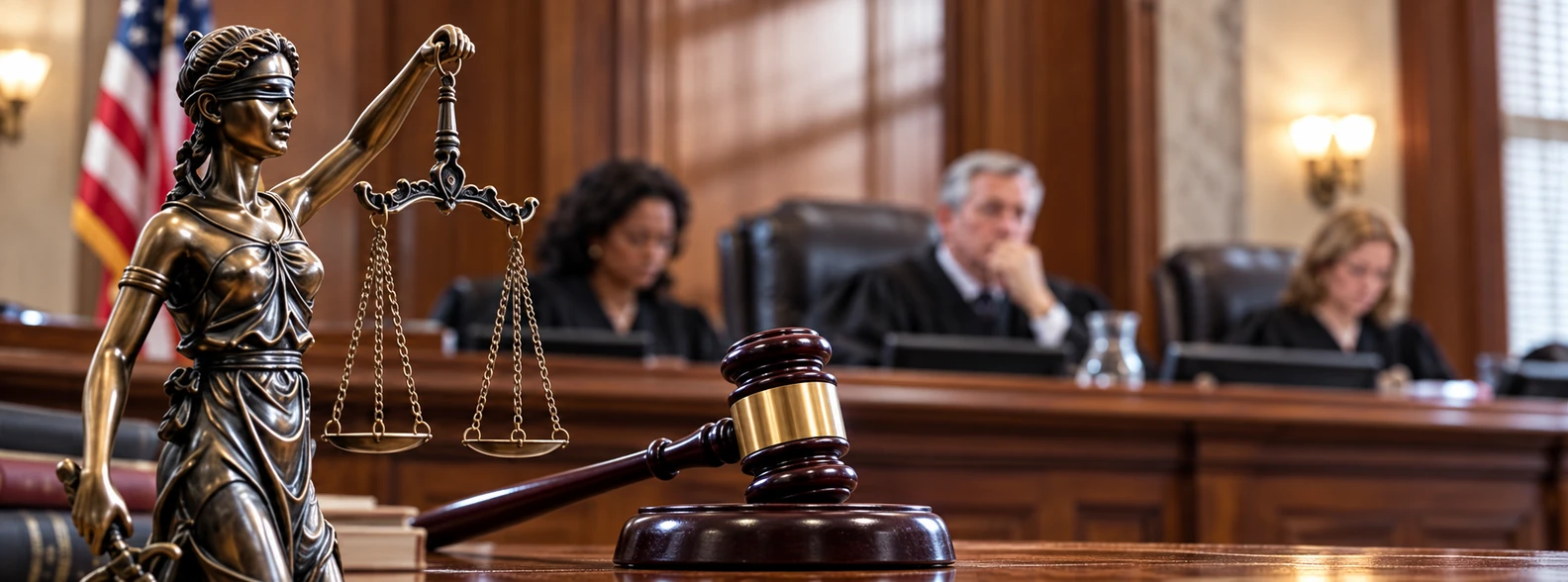
The Civil Rights Act of 1866 protected rights after emancipation, but racial segregation and disenfranchisement persisted. Under Jim Crow laws and practices, Black Americans faced exclusion from public life. In Plessy v. Ferguson (1896), the Supreme Court upheld segregation under “separate but equal.” The Civil Rights Act of 1875 had sought to protect access to public accommodations; the Court invalidated major provisions in 1883.
Legal advocacy and community organizing developed together. W. E. B. Du Bois, Ida B. Wells, Mary Church Terrell and Mary White Ovington contributed to campaigns against racial injustice. The National Association for the Advancement of Colored People (NAACP), founded in 1909, pursued litigation, public advocacy and legislative change. Lawyers including Charles Hamilton Houston and Thurgood Marshall challenged segregation through the courts; the NAACP Legal Defense Fund became an important legal force.
The Civil Rights Movement: From Courtrooms to Mass Action
The Civil Rights Movement of the 1950s and 1960s drew strength from lawsuits, boycotts, student organizing, churches, labor groups and nonviolent demonstrations. Court victories required local pressure and federal enforcement before they changed everyday conditions.

Key events and what changed
| Event | Why it mattered |
|---|---|
| Brown v. Board of Education (1954) | The Supreme Court held that racial segregation in public schools was unconstitutional, rejecting “separate but equal” in public education. |
| Montgomery Bus Boycott (1955–1956) | After Rosa Parks was arrested, sustained collective action challenged segregated public transportation and elevated Martin Luther King Jr. as a national leader. |
| Little Rock Nine (1957) | Nine Black students confronted resistance to school desegregation in Arkansas, demonstrating the gap between a court ruling and implementation. |
| Greensboro sit-ins (1960) | Student-led nonviolent protests challenged segregation at lunch counters and spread across the South. |
| Freedom Rides (1961) | Interracial activists tested desegregation rules in interstate transportation and faced violent opposition. |
| Birmingham Campaign (1963) | Mass demonstrations exposed the brutality of segregation enforcement and increased pressure for national reform. |
| March on Washington (1963) | Organizers connected civil rights with jobs and economic justice, giving national visibility to demands for equality. |
| Freedom Summer (1964) | Organizers worked to expand Black voter registration in Mississippi despite intimidation and violence. |
| Selma to Montgomery marches (1965) | Violence against voting-rights demonstrators on Bloody Sunday helped build support for stronger federal voting protections. |
The Southern Christian Leadership Conference (SCLC), associated with King, emphasized nonviolent direct action. The Student Nonviolent Coordinating Committee (SNCC) built local organizing capacity; the Congress of Racial Equality (CORE) helped organize Freedom Rides. Ella Baker championed grassroots leadership; John Lewis became a prominent student organizer and later legislator. Daisy Bates supported the Little Rock Nine, while Medgar Evers worked against segregation and voter suppression in Mississippi.
Activists disagreed about methods. Malcolm X criticized racial oppression and emphasized Black self-determination; the Black Power Movement later developed a range of political and community approaches. Both challenged systemic racism through different approaches.
The Laws and Court Decisions That Changed Civil Rights
Federal laws changed what institutions could legally do. The Civil Rights Act of 1957 strengthened federal involvement in voting-rights enforcement; the Civil Rights Act of 1960 added protections and enforcement tools. President John F. Kennedy proposed broader legislation, which President Lyndon B. Johnson signed in 1964.
Civil Rights Act of 1964
The Civil Rights Act of 1964 prohibited specified forms of discrimination in settings including public accommodations and federally assisted programs. Its Title VII addressed employment discrimination on grounds including race, color, religion, sex and national origin, subject to statutory coverage and rules. The Equal Employment Opportunity Commission (EEOC) plays a central role in enforcing federal employment discrimination law. Enforcement remained necessary after its passage.
Voting Rights Act of 1965
The Voting Rights Act of 1965 attacked discriminatory barriers to voting, including literacy tests. Its operation has changed through legislation and Supreme Court decisions. For example, Shelby County v. Holder (2013) invalidated the coverage formula used for a major federal preclearance requirement; other parts of the Act remain important. Disputes over districting, ballot access and enforcement continue.
Protection beyond race
The Fair Housing Act of 1968 established federal protections against discrimination in covered housing transactions. Loving v. Virginia (1967) struck down state bans on interracial marriage. Title IX of the Education Amendments of 1972 addresses sex discrimination in federally funded education programs. The Rehabilitation Act of 1973 and Americans with Disabilities Act of 1990 (ADA) established important protections concerning disability discrimination and accessibility. Their coverage and enforcement procedures differ.
The U.S. Supreme Court interprets the law, while the Department of Justice Civil Rights Division enforces specified federal protections. The right complaint channel depends on the alleged violation.
Why Civil Rights Matter to Social Justice
Formal equality applies the same rule to everyone. Substantive equality asks whether that rule leaves avoidable barriers in place. Equal opportunity and social equity concern access in practice, not only identical wording in a policy.
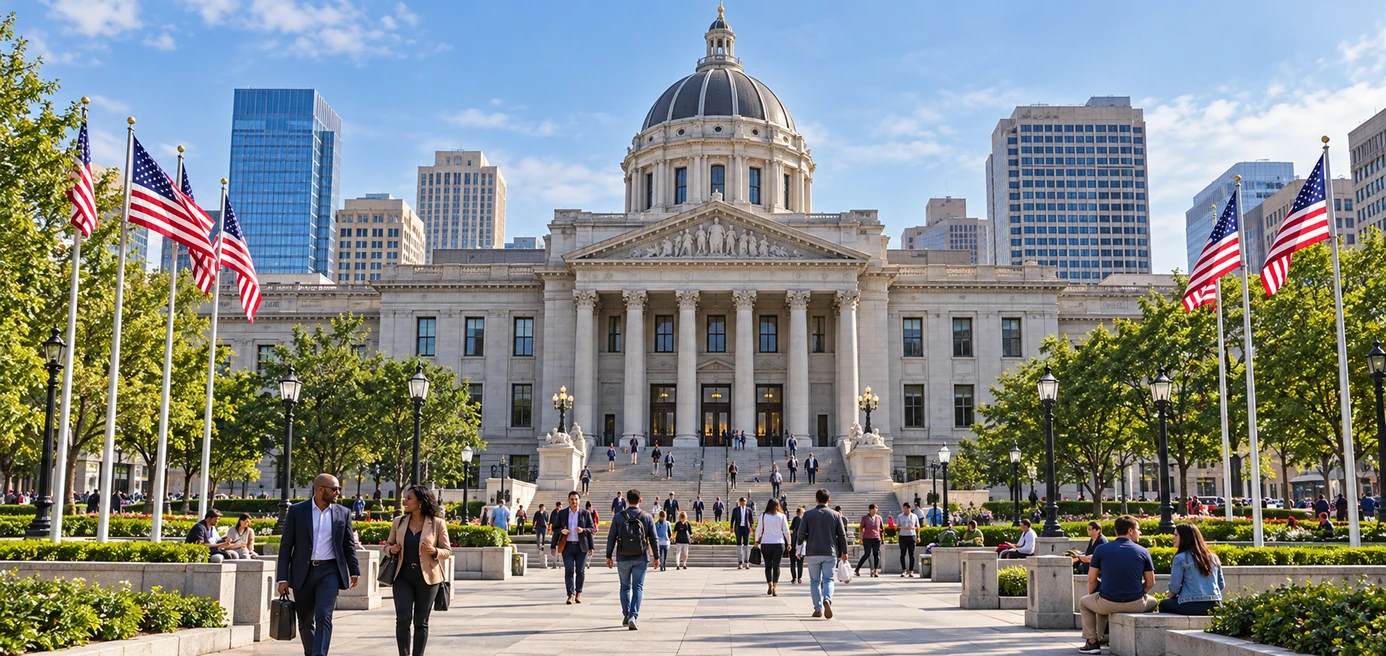
A school may admit all applicants under the same written rule yet offer application materials in a format inaccessible to some students with disabilities. The legal question is whether an applicable accessibility or accommodation duty was breached. A disadvantage alone does not establish liability.
Intersectionality examines how overlapping characteristics, such as gender and disability, shape disadvantage. It can help identify a pattern, but a legal complaint still needs evidence and the elements required by the applicable law.
Civil-rights agencies and complaint routes
In the United States, civil-rights protections draw on the Constitution and federal statutes. The Fourteenth Amendment addresses equal protection and due process by government, while laws such as the Civil Rights Act, ADA, Fair Housing Act, and Voting Rights Act cover defined settings. State and local laws may add protections.
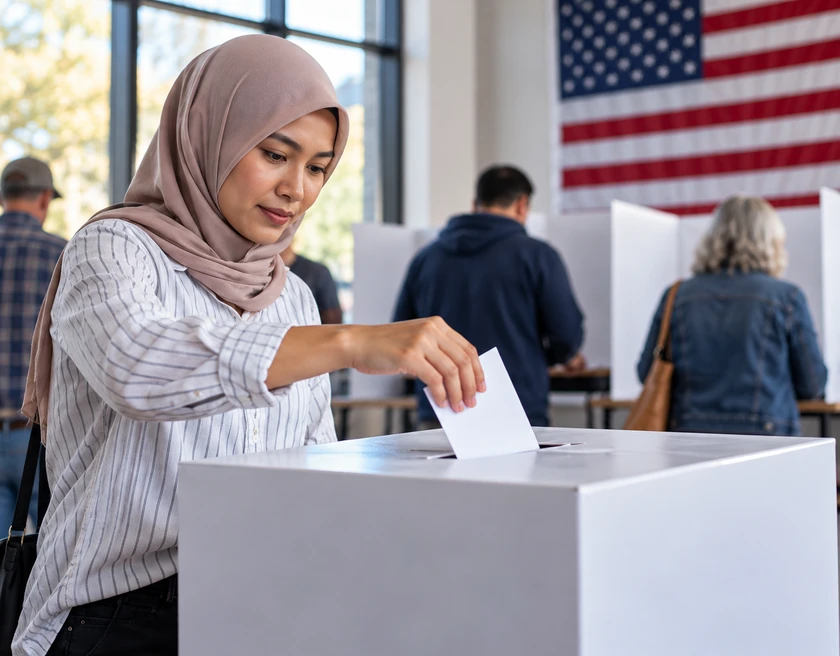
U.S. civil-rights protections come from constitutional guarantees and federal statutes, including the Civil Rights Act, ADA, Fair Housing Act, and Voting Rights Act. Each law covers defined settings and has its own enforcement process; state and local laws may add protection.
Civil-rights remedies and legal limits
- Religion and belief: assess whether unequal access to services, education or work involves a protected right, and identify the responsible institution and applicable rule. Freedom of religion and belief is constitutionally significant, but the precise legal question depends on the facts.
- Ethnicity and race: record the specific conduct, affected opportunity, relevant communications and whether federal, state, or local anti-discrimination law covers the conduct.
- Disability access: distinguish a physical or procedural accessibility barrier from an ordinary service inconvenience; identify reasonable accommodation and accessibility obligations under the applicable U.S. rules.
- Gender and employment: distinguish unequal treatment, harassment and wage disputes; the governing legal framework and complaint channel may differ.
- Political participation: verify election rules and procedures with the competent U.S. election authorities rather than relying on American voting-rights rules.
Civil-rights protections in the United States come from constitutional provisions and federal, state, and local laws. The governing rule and complaint route depend on the setting and conduct involved.
How to Recognize and Respond to a Possible Rights Violation
An unfair result is not necessarily an unlawful civil rights violation. The decisive questions are what conduct occurred, which legal protection applies and what evidence supports a claim.
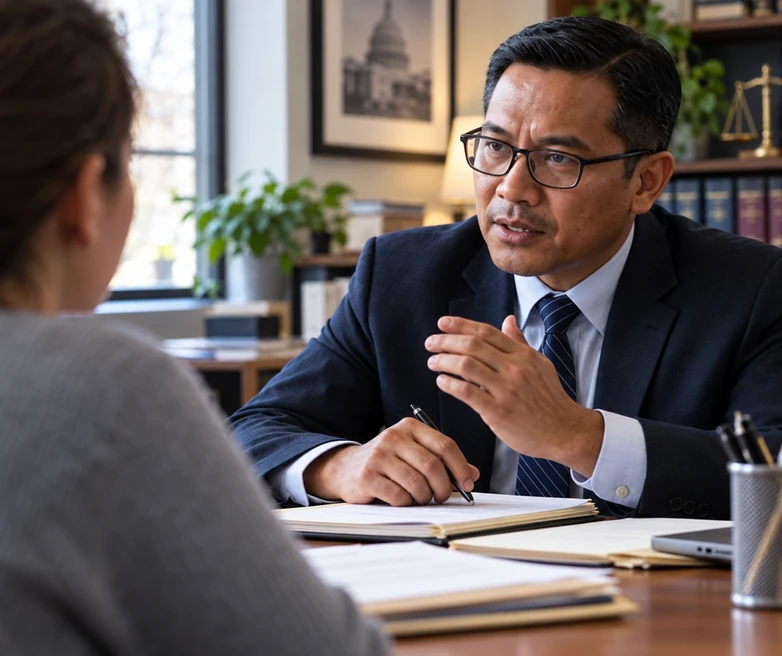
- Identify the right and setting. Is the issue education, housing, work, public services, voting, speech or access to justice? Is the actor a government body, employer, school or private business?
- Find the applicable jurisdiction. Determine which country's law applies, which institution regulates the activity, and whether a specific anti-discrimination provision covers the conduct.
- Preserve evidence. Keep dated communications, relevant policies, witness details, decisions and records of unequal treatment. Protect other people's privacy and avoid collecting information unlawfully.
- Compare the treatment. Ask whether similarly situated people were treated differently, whether a rule disproportionately excludes a group, and whether a lawful explanation exists.
- Choose the correct channel. Depending on the facts, options may include an internal complaint, regulator, ombuds institution, human rights body, legal aid provider or court. Some processes have filing deadlines.
- Check the outcome. Seek a documented response, an explanation of the decision and information about review or appeal procedures. A complaint being accepted does not guarantee a finding in the complainant's favor.
What Civil Rights Laws Cannot Do Alone
Laws can prohibit discrimination without eliminating poverty, inaccessible schools or administrative obstacles. Education equality, employment discrimination, housing discrimination, voter suppression, criminal justice reform and workplace harassment have different causes and remedies. Some demand legal enforcement; others also require public policy and resources.
Accessible complaint procedures, independent review and enforceable remedies matter as much as written guarantees. Civil society can document exclusion and help affected communities; public authorities remain responsible for enforcing the law. Gender equality, racial equality and disability rights depend on what institutions do in practice.
Frequently Asked Questions
Equal treatment when applying for a public service is one example. Whether a denial violates the law depends on the facts and the applicable rules.
No. Human rights are universal in principle; civil rights usually refer to legally protected equality and participation within a political and legal system. Many protections overlap.
Civil-rights protections in the United States come from constitutional provisions and federal, state, and local laws. The governing rule and complaint route depend on the setting and conduct involved.
Yes. Discrimination may be alleged through patterns, policies or unequal effects, depending on the applicable legal test. Evidence and statutory definitions matter.
Equality concerns equal status and treatment. Equity examines barriers that may require different measures to provide fair opportunities. Neither concept, on its own, establishes a legal obligation.
Read Similar Articles

Investigating structural wealth concentration, income disparity, and practical policy interventions to expand economic opportunity.
Learn More
Dissecting racial disparities in justice, housing, and institutional equity, and outlining strategies for grassroots systemic change.
Learn More