Local Movements in the United States
A flooded alley, an overflowing waste collection point, or a threatened neighborhood garden can become the starting point for a local movement. The difference between a complaint and a movement is not the number of social media posts. It is whether residents develop a shared goal, organize people who can act, and keep working long enough to change a condition or a decision.
Across the United States, local movements may organize through tenant associations, neighborhood groups, unions, faith communities, mutual-aid networks, and nonprofit coalitions. The structure should fit the issue and give affected residents a meaningful role.
What Is a Local Movement?
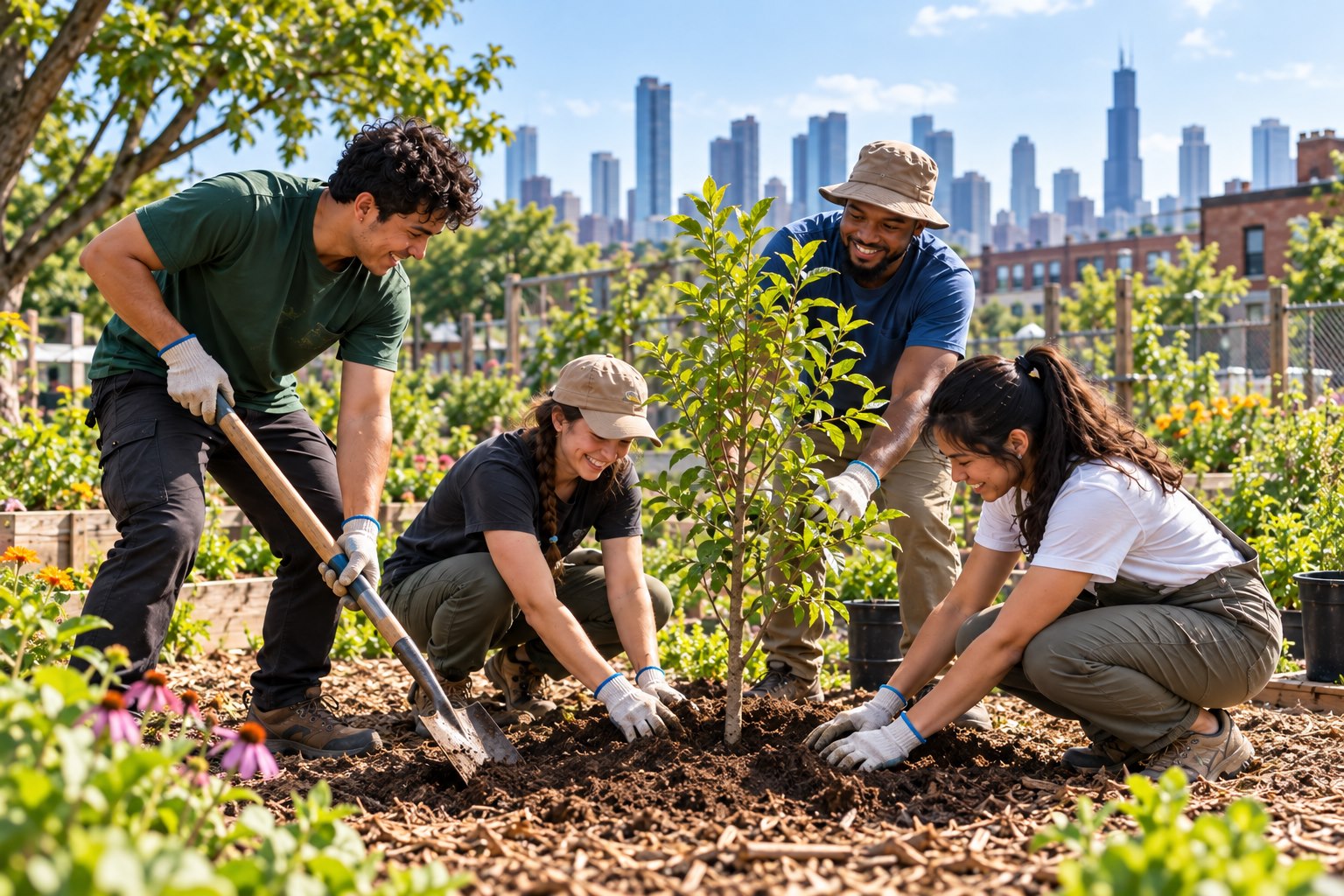
A local movement is a community-driven effort in which people coordinate around a shared concern to improve conditions, influence decisions, or protect something they value. It can involve mutual aid, environmental justice, housing, public health, community development, civic participation, or local economic resilience. Some movements operate informally; others build coalitions with nonprofit organizations, civil society organizations, schools, local businesses, or government agencies.
Local movements overlap with grassroots movements, but the terms are not identical. “Local” describes the scale or place of action; “grassroots” describes where initiative and power originate. A neighborhood campaign designed and controlled by residents can be both. A local project directed entirely by an outside institution may not be grassroots, even if it benefits the neighborhood.
When Is a Community Initiative Actually a Movement?
One cleanup day is useful, but it is usually an event rather than a movement. Look for four signals: a continuing shared issue, resident participation beyond a single organizer, coordinated action, and a pathway for influencing the underlying problem. A recurring river cleanup that also negotiates waste services, recruits volunteers, and tracks illegal dumping has a stronger movement character than a one-off photo opportunity.
Why Local Movements Emerge
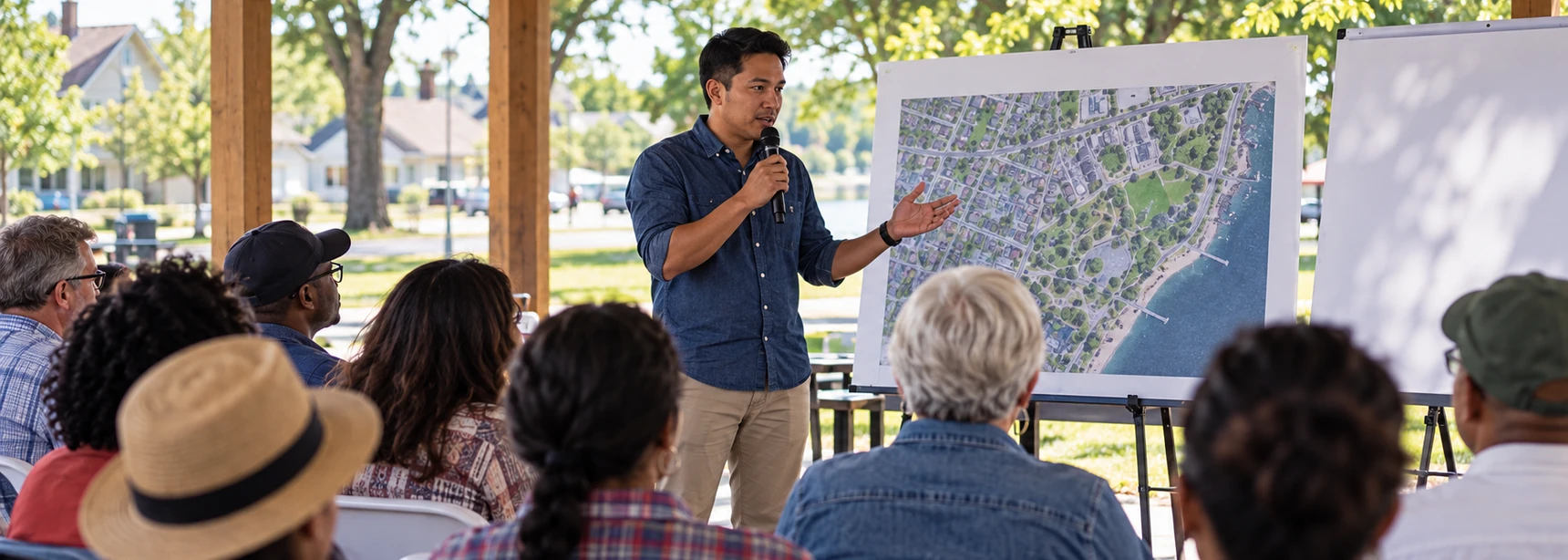
Movements often begin where daily experience reveals a gap between community needs and existing services. Flood risk, inadequate drainage, insecure housing, unsafe streets, food insecurity, inaccessible transport, pollution, and limited public space are concrete problems that neighbors can recognize together. Environmental and climate concerns may connect local action to wider social movements, but the immediate motivation is often practical: protect a home, reach a school safely, or keep a market functioning.
Types of local movements
Environmental and Sustainability Movements
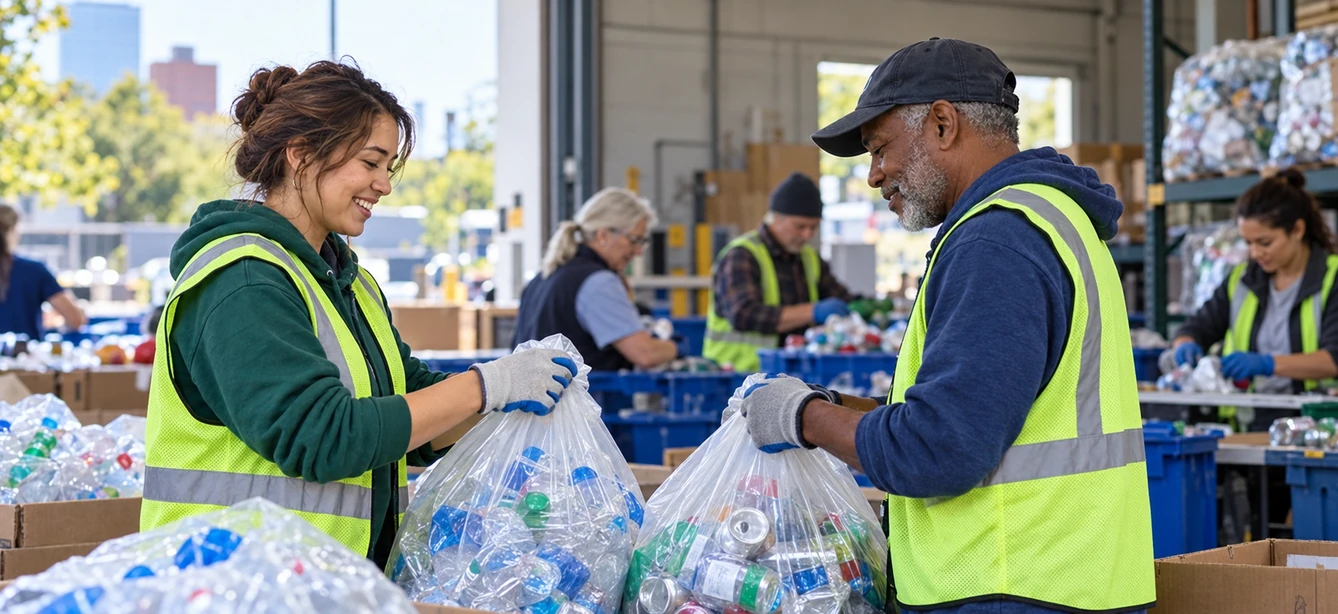
Residents may organize around waste separation, community recycling and reuse programs, river restoration, community gardens, tree protection, renewable energy, or urban heat. These initiatives connect local sustainability to environmental justice when the burdens of pollution and climate hazards fall unevenly on lower-income or marginalized communities. Community recycling programs can make sorting more accessible, but they work best alongside reliable municipal collection and safe handling of materials that cannot be reused or recycled.
Mutual Aid and Community Support
Mutual-aid groups can coordinate food distribution, rides, emergency supplies, and check-ins. Clear referral paths and privacy safeguards help volunteers respond without replacing public services or qualified providers.
Housing, Land, and Neighborhood Movements
Residents may respond to eviction threats, housing affordability, land-use changes, drainage works, or loss of public space. Community organizing in these cases requires accurate documentation, meaningful representation, and attention to legal and safety risks. A petition can show concern, but the stronger strategy identifies the authority responsible, the decision timeline, the relevant procedure, and the remedy residents seek.
Youth, Education, and Civic Participation
Youth groups, student volunteers, neighborhood associations, and civil society organizations can organize reading programs, safe routes to school, disability access audits, or community workshops. Local activism becomes civic participation when residents contribute to public decisions, not merely attend events. Participation should include accessible meeting times, language, transport, and ways to contribute without speaking publicly.
Local Economic and Food Movements
Cooperatives, community-supported markets, local food projects, and producer networks can improve access to goods and strengthen local livelihoods. Their impact depends on transparent governance, fair participation, and economic viability. A cooperative is not automatically equitable: membership rules, control of funds, and who receives the benefits all matter.
How Grassroots Organizing Works: From Concern to Collective Power

1. Define the Problem at the Right Scale
Replace broad slogans such as “make our area cleaner” with a problem that can be observed: “waste accumulates at three collection points after weekend markets.” Map the affected residents, possible causes, responsible institutions, and existing efforts. Talk with people who disagree, not only the most enthusiastic volunteers. This prevents a vocal minority from being mistaken for the whole community.
2. Build Relationships Before Recruiting Numbers
Community engagement begins with listening meetings, household conversations, and trusted local connectors. Grassroots leadership is not simply a charismatic spokesperson; it means distributing the ability to convene meetings, explain the issue, resolve conflict, and make decisions. Leadership development and capacity building reduce dependence on one person and limit volunteer burnout.
3. Choose a Decision-Maker and a Realistic Demand
Identify the official with authority: a city department, county office, school board, state agency, federal office, or elected representative. Confirm the process and decision date before choosing a tactic.
4. Match the Tactic to the Problem
Community meetings, petitions, public consultations, volunteer programs, fundraising, coalition building, and advocacy campaigns do different jobs. A cleanup addresses immediate waste; a service meeting can address collection failures; a petition signals support; a public budget process can help prioritize infrastructure. Direct action or protest may be appropriate for some campaigns, but organizers must assess local law, safety, escalation risks, and potential effects on vulnerable residents.
5. Establish Accountable Governance
Agree who may speak for the group, how decisions are made, how donations are recorded, and how disagreements are handled. Decentralized organizing can spread responsibility, but it still needs clear roles. Publish brief meeting notes and financial summaries where appropriate, obtain consent before sharing photographs or contact details, and create a way for participants to challenge decisions without retaliation.
6. Measure What Changes
Count outputs, but do not confuse them with outcomes. Fifty volunteers, hundreds of petition signatures, or a busy social media campaign show activity. They do not by themselves demonstrate improved services, policy change, or social cohesion. Compare conditions before and after the intervention and ask whether improvements persist. Where possible, check independent records and listen to people who did not participate.
Which Organizing Strategy Fits the Situation?
| Situation | Useful first move | Main limitation | Evidence of progress |
|---|---|---|---|
| Immediate food or emergency needs | Mutual aid and volunteer coordination | Donations may be unpredictable | Needs met safely and consistently |
| Unreliable waste collection | Document missed pickups and meet service officials | Community cleanup cannot fix system capacity | Collection reliability improves |
| Unsafe walking route | Resident mapping and a specific infrastructure request | Works may require budget and approvals | Hazards removed and accessibility improved |
| Disputed development plan | Collect documents, seek legal guidance, and organize representation | Power imbalances and legal deadlines | Meaningful consultation or documented decision change |
| Limited say in neighborhood spending | Participate in relevant planning forums | Proposals are not guaranteed funding | Proposal recorded, funded, delivered, and maintained |
How U.S. communities can engage local government
Residents can raise local issues at city-council or county-board meetings, school-board sessions, planning hearings, and agency listening sessions. Check agendas, sign-up rules, deadlines, accessibility, and remote participation in advance.
For nonemergency municipal problems, many cities accept service requests by phone, online, or 311 where available. Keep the case number, report dates and locations, and follow up with the department responsible.
For issues involving public health, land rights, or legal disputes, community groups should seek qualified local expertise. A nonprofit organization or legal aid provider can contribute technical capacity, but residents should retain a clear voice in decisions affecting their homes and livelihoods.
Real-World Models and What Can Transfer

Transition Network and Community-Led Sustainability
Community-led climate work in U.S. towns and cities includes community gardens, tree planting, heat-response networks, home weatherization, and neighborhood resilience planning. Local extension offices, public libraries, environmental groups, and emergency-management agencies may offer useful partners.
Community Recycling and Reuse Programs
Cities and counties set local rules for curbside recycling, composting, electronics, household hazardous waste, and bulky-item pickup. Verify accepted materials with the local public works or solid-waste department; repair events and reuse drives can complement formal services.
Mutual aid and community-led action
Neighborhood cooperation can mobilize people quickly after a disruption. For sustained community support, organizers need a method to identify unmet needs, coordinate volunteers, prevent duplication, and protect people receiving help. Mutual aid works best alongside accountable institutions, not as an excuse to withdraw essential public provision.
What Commonly Causes Local Movements to Stall?
Volunteer burnout: a few committed people take on every task. Rotate responsibilities, define manageable commitments, and plan for succession.
Representation gaps: meetings are dominated by property owners, established leaders, or people with free time. Offer multiple participation channels and actively seek input from affected groups.
Unclear demands: a movement raises awareness but never identifies who can make the needed decision. Name the responsible institution and specify a verifiable request.
Funding and resource constraints: activities depend on one donor or irregular contributions. Budget for maintenance, document expenses, and avoid promises beyond available capacity.
Political resistance and internal conflict: stakeholders disagree about priorities, tactics, or leadership. Use transparent procedures, document decisions, and seek mediation or independent advice when needed.
Digital exclusion: online campaigns can overlook residents with limited connectivity or digital literacy. Combine messaging apps with offline meetings, notice boards, and accessible communication.
How to Tell Whether a Local Movement Is Making a Difference
A practical evaluation separates activity, change, and durability. Activity includes meetings and volunteer hours. Change includes improved drainage, safer crossings, reliable waste collection, or a documented policy decision. Durability asks whether the improvement survives beyond a campaign and whether residents can maintain oversight.
Before starting, record a baseline: photographs with dates, service logs, accessibility observations, meeting attendance, or public records. Set a review point and compare like with like. Rainfall, seasonal waste volumes, infrastructure projects, and unrelated government action may also affect results, so avoid claiming that a movement alone caused every improvement.
Community trust can be assessed through repeat participation, wider representation at meetings, and whether residents can address a new problem without relying on the original organizers.
A Practical First-Month Plan
- Week 1 — Listen and document: speak with affected households, define one observable problem, and gather a baseline without exposing private information.
- Week 2 — Form a small organizing team: include different perspectives, agree on a shared goal, and establish transparent roles and decision rules.
- Week 3 — Verify the pathway: identify the responsible authority or partner, check relevant procedures, and choose a proportionate tactic.
- Week 4 — Take one measurable action: submit a documented request, launch a targeted pilot, or convene a decision meeting; publish the next follow-up date.
If the group cannot identify a responsible actor, secure basic consent, or protect participants from foreseeable harm, pause escalation and obtain better information. A smaller safe action is preferable to a visible campaign that puts residents at risk.
Frequently Asked Questions
No. They may involve mutual aid, neighborhood improvement, public consultations, community gardens, cooperative projects, advocacy, or protests. The method depends on the problem and the decision pathway.
Local movements can influence public choices by documenting conditions, building coalitions, submitting public comment, and staying involved as agencies respond. Track the specific decision and report what changed back to participants.
One person can initiate a conversation, but a movement requires others to shape goals and participate in sustained collective action. Shared ownership matters more than a founder's visibility.
A community development project may be delivered by an agency on behalf of residents. A grassroots local movement places resident initiative, collective organization, and influence over decisions closer to the center. In practice, a project and a movement can reinforce each other.
Keep records of submissions and responses, confirm the appropriate office and procedure, build a representative coalition, and seek advice from credible civil society or legal support organizations where appropriate. Avoid assuming that publicity alone will resolve a procedural or technical barrier.
Choose a measure tied to the original problem: reduced missed collections, safer access, a delivered public facility, or an implemented policy decision. Track participation and community trust as supporting indicators rather than substitutes for outcomes.
Read Similar Articles
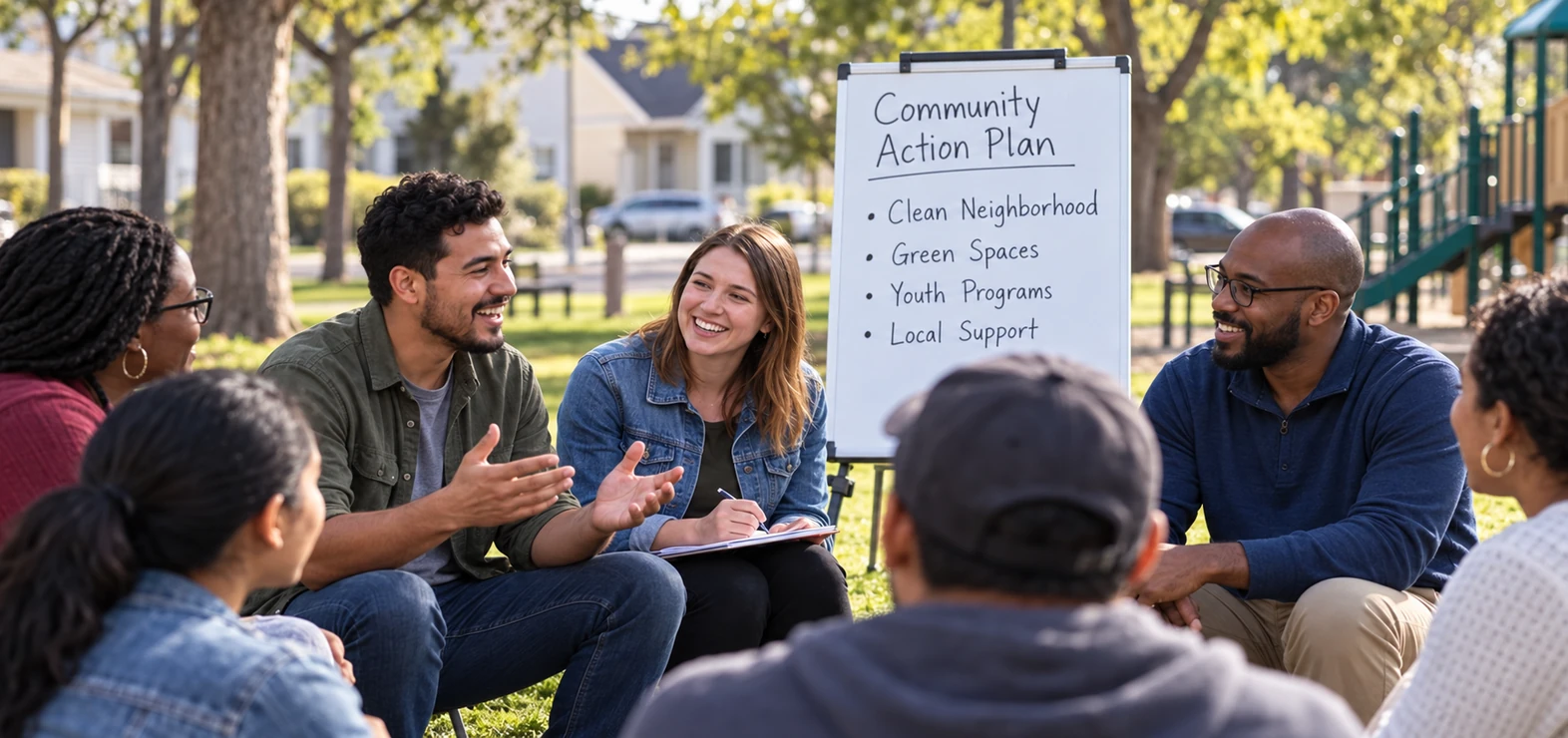
How to turn shared neighborhood challenges into durable community power, grassroots coalitions, and tangible municipal victories.
Learn More
Principles for designing lasting mutual aid projects, volunteer networks, and participatory community service programs.
Learn More