Volunteer Initiatives in U.S. Communities
In U.S. communities, volunteer opportunities are hosted by parks and recreation departments, public libraries, schools, food banks, faith organizations, and nonprofits. Match the role to a clear local need and confirm training, supervision, safety rules, and accessibility.
Before recruiting, confirm who identified the need, who will maintain the result and how improvement will be checked. Otherwise, start with a small pilot.
What makes a volunteer initiative grassroots?
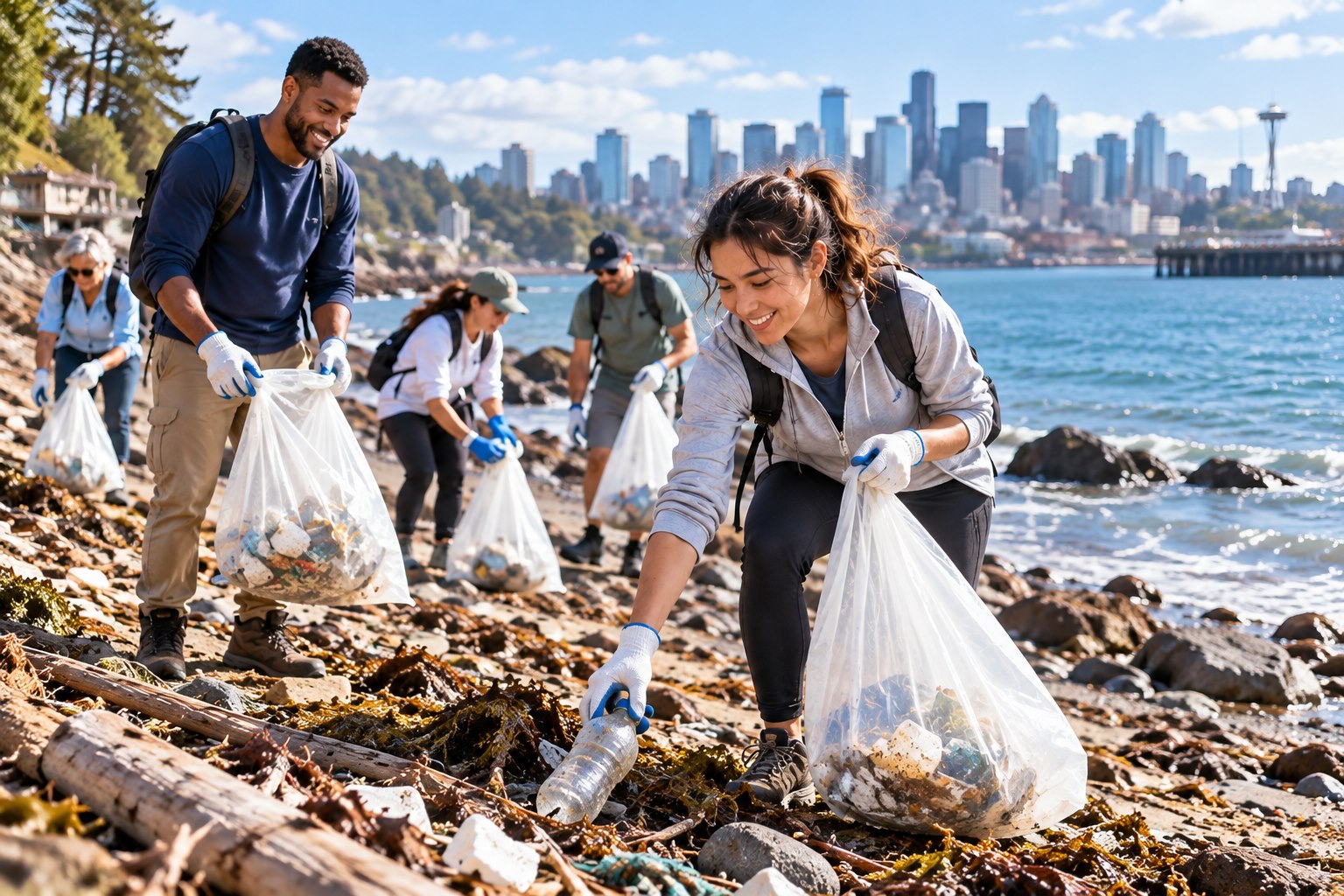
Volunteer initiatives are organized efforts in which people contribute time, skills or resources to address a shared need. Community volunteering includes service activities led by charities, schools, faith-based groups or local government. A grassroots initiative puts residents closer to decisions about priorities, methods and accountability. Mutual aid goes further: neighbors help one another through reciprocal support rather than treating some people only as donors and others only as beneficiaries.
An NGO can supply tools while residents set priorities; student volunteers can tutor children while local teachers decide what help is needed. Who controls decisions matters more than the organization’s name.
An initiative is grassroots when residents help set priorities and shape the work, rather than simply filling roles in a plan designed elsewhere. A city agency or nonprofit can support it while community members retain a real voice.
Choose the initiative by the problem, not by popularity
| Community need | Possible initiative | Best fit | What to check first |
|---|---|---|---|
| Recurring litter or unmanaged household waste | Community cleanups, recycling drives, waste sorting, local recycling drop-offs | Residents able to organize repeat collection | Where will collected waste actually go? |
| Limited access to learning support | After-school tutoring, literacy programs, digital literacy, youth mentoring | Schools and trained volunteers with consistent availability | Child safeguarding, consent and continuity |
| Food insecurity or isolated neighbors | Food drives, meal delivery, mutual aid networks, elderly support | Trusted local coordinators with referral routes | Food safety, privacy and fair eligibility criteria |
| Unsafe or neglected shared spaces | Community gardens, playground improvements, neighborhood beautification | Resident groups with permission and maintenance capacity | Land use, accessibility and long-term upkeep |
| Flooding or emergency vulnerability | Preparedness education, supply mapping, community response support | Groups coordinating with relevant authorities | Training, safety boundaries and official emergency plans |
| Limited access to local information | Online volunteering, translation, accessible outreach, digital mentoring | Skilled volunteers working remotely or flexibly | Connectivity, data protection and accessibility |
Tree planting and habitat restoration can support environmental stewardship, but planting is not automatically the best response to every site. Check land permission, species suitability, water access and who will care for seedlings. A one-day donation drive is useful for urgent needs but is not a substitute for reliable longer-term support when the underlying problem persists.
Volunteer opportunities for U.S. communities
1. Turn a cleanup into a neighborhood waste system
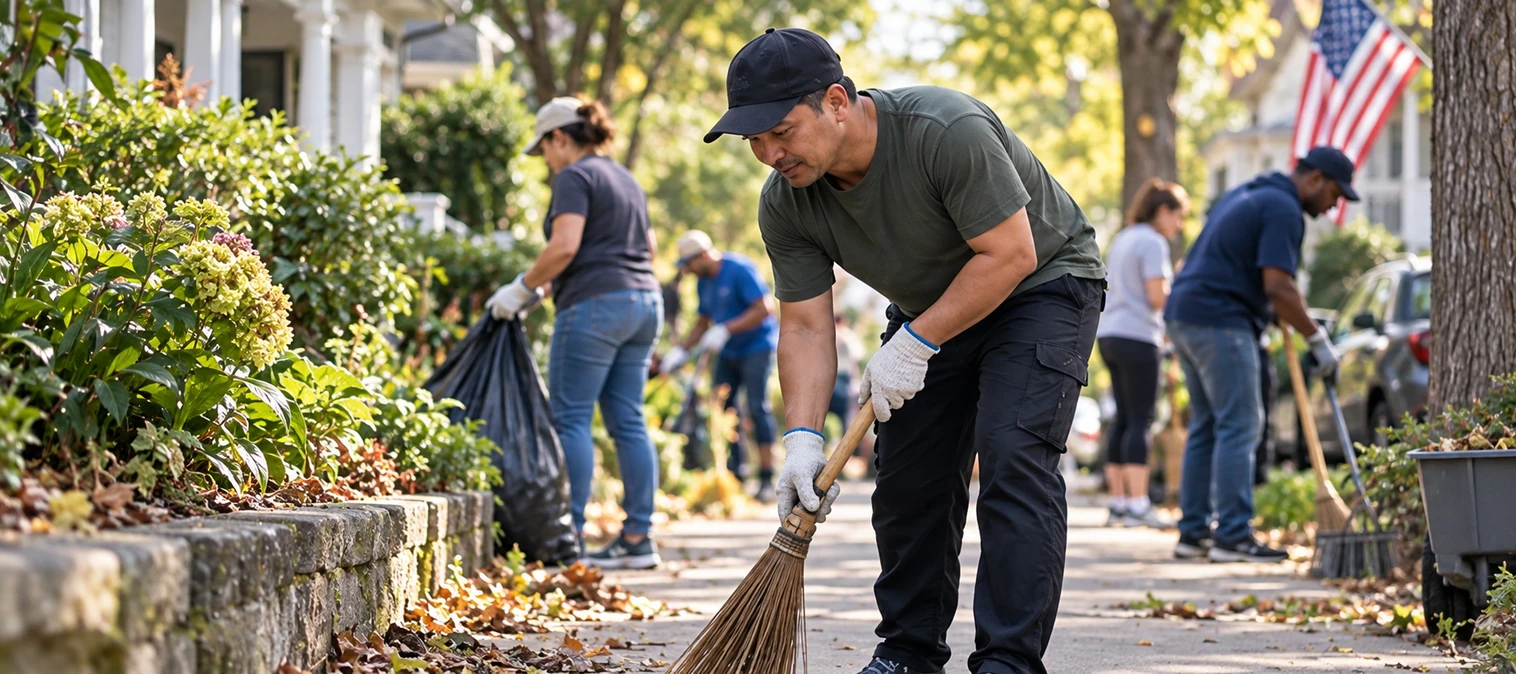
Begin with a walk-through involving residents and waste collectors. Map where litter accumulates, what types of waste appear and whether collection services can accept separated materials. Run one neighborhood cleanup event, record the waste categories and agree on a practical collection schedule. If a local recycling drop-offs already operates nearby, explore a partnership rather than creating a competing system. Measure repeat dumping at the same locations, not only the number of bags collected on launch day.
2. Build a small, consistent learning circle

For youth development, a dependable weekly tutoring session can be more valuable than a large occasional event. Ask teachers and caregivers which learning gaps matter, recruit volunteers with relevant skills, set a manageable volunteer-to-learner ratio and provide orientation. Obtain appropriate consent, use safe venues, establish clear adult supervision and avoid publishing children's names or photographs without permission. Track attendance and simple learning milestones rather than promising test-score improvements.
3. Organize mutual aid without exposing people's private circumstances

A food bank, clothing donation program or meal-delivery network needs transparent criteria and respectful communication. Ask households what assistance is useful instead of assuming they need the same supplies. Coordinate storage, expiry checks and safe transport. Record only the personal information needed to deliver support, restrict access to it and create a way for recipients to give feedback or decline assistance. For older residents and people with disabilities, ask about accessibility and preferred contact methods.
4. Improve a shared space with a maintenance agreement
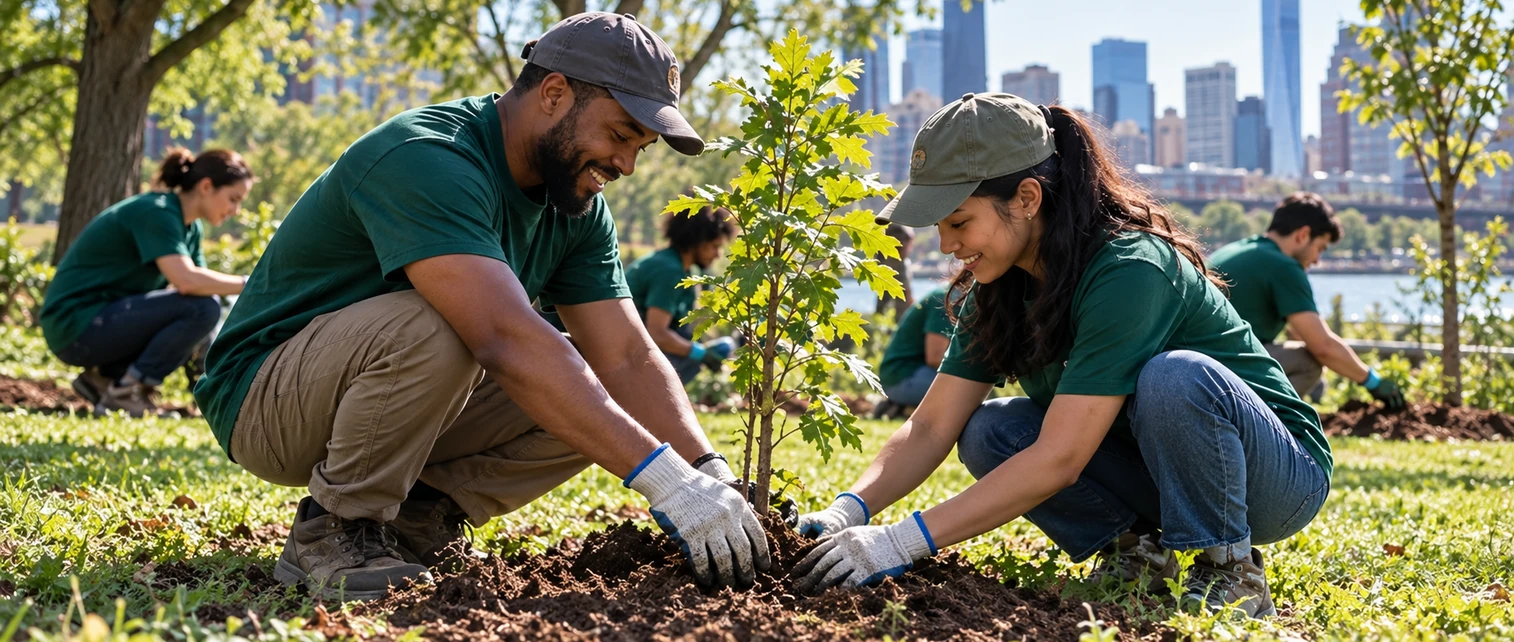
Neighborhood improvement can include community gardens, safer walkways, playground restoration and accessible public spaces. Consult residents who use the site, including women, children, older people and people with disabilities. Confirm permission before construction, painting or planting. Assign ongoing tasks such as watering, repairs and waste removal. If nobody can maintain the space, scale down the project or select a less maintenance-intensive alternative.
5. Use digital volunteering to strengthen offline projects
Online volunteering can support local nonprofits and community-based organizations through translation, accessible materials, volunteer scheduling, mentoring or simple data organization. It works particularly well when travel is difficult or participants have specialized skills. Remote teams still need a local contact, clear deliverables and secure handling of personal data. A digital sign-up form is not proof of participation; verify completed tasks and community usefulness.
How to start a volunteer initiative: a practical sequence
Step 1: Listen and define the need
Conduct a lightweight community needs assessment: speak with affected residents, frontline workers, local leaders and existing service providers. Ask what has already been tried, which barriers persist and who may be unintentionally excluded. Write one problem statement with a specific location and audience. For example: “Residents on two streets report repeated dumping near the drainage channel because disposal options are unclear.” This is more actionable than “make our city cleaner.”
Step 2: Choose a realistic pilot
Define one activity, one location, one target group and a short trial period. Identify an outcome that can be checked: fewer repeat dumping points, regular tutoring attendance or more households reached reliably. Do not promise to eliminate poverty, solve flooding or transform education through a small pilot. Separate what volunteers control from outcomes affected by wider systems.
Step 3: Map stakeholders and permissions
Strong volunteer programs define who provides tools, checks work quality, handles injuries, approves changes to public spaces, and maintains the result after volunteers leave.
Step 4: Budget resources and define volunteer roles
List materials, transport, drinking water, protective equipment, venue costs, accessibility needs and contingency supplies. Name a volunteer coordinator and specify tasks, time commitments, skills, training and reporting lines. A clear role description might say: “Two-hour Saturday waste-sorting shift; gloves supplied; no handling of medical or hazardous waste; report full bags to the site lead.” Avoid treating unpaid labor as an unlimited resource.
Step 5: Recruit through trusted community channels
Use neighborhood groups, schools, universities, community centers, local associations and appropriate online platforms. Invite people to choose between short shifts, recurring roles and skills-based volunteering. Explain where the project happens, who benefits, what support is provided and what volunteers should not do. Screening or background checks may be necessary for sensitive roles; the exact requirements depend on the activity and applicable rules.
Step 6: Train, launch and collect feedback
Provide orientation on safety, communication, inclusion, boundaries and escalation. Run a small first session, then ask participants and community members what worked. Track problems such as missing equipment, unclear instructions or inaccessible meeting times. Make adjustments before expanding to more locations.
Step 7: Decide whether to continue, change or stop
Review results against the original problem. Continue when residents find the service useful and the operating model is sustainable. Redesign when participation is high but outcomes are weak. Stop or hand over responsibly when the project creates safety risks, duplicates better existing services or lacks maintenance capacity. A well-managed ending is better than an abandoned initiative.
A four-week pilot that a small team can manage
| Week | Decision | Deliverable |
|---|---|---|
| 1 | Is the need confirmed by affected residents? | Problem statement, stakeholder list, baseline observation |
| 2 | Is the activity safe and feasible? | Permissions, volunteer roles, simple budget, risk checklist |
| 3 | Can the team deliver one complete cycle? | Pilot session, participation log, resident feedback |
| 4 | Did anything meaningful improve? | Outcome review, maintenance owner, continue/change/stop decision |
This timeline suits a simple pilot. Work involving children, health, construction or emergency response may need more preparation, qualified partners and approvals.
Volunteer recruitment is only the beginning
Recruit for specific roles and shifts, with clear expectations, training and equipment. Ask volunteers what prevents them from returning.
Students may need schedules that fit classes; working adults may prefer weekend shifts; senior volunteers may contribute mentoring or administrative expertise; skilled volunteers may offer design, accounting or translation support. Accessible venues, transport options and flexible participation can widen inclusion. Avoid assuming every volunteer can donate money as well as time.
Share results and ask for feedback. Rotate demanding tasks to prevent volunteer burnout, and train a backup coordinator before the lead organizer leaves.
Measure community impact, not just activity
Inputs are resources such as funding, supplies and volunteer time. Outputs are immediate activities completed: sessions held, meals delivered or volunteer hours contributed. Outcomes are changes experienced by people or places. Long-term impact may involve stronger social cohesion, community resilience, better access to support or improved local conditions, but these effects require more careful evidence and often cannot be attributed to one project alone.
| Initiative | Easy output metric | More useful outcome check | Guardrail |
|---|---|---|---|
| Cleanup | Volunteer hours; bags collected | Whether the same area stays cleaner after several weeks | Safe disposal; no hazardous exposure |
| Tutoring | Sessions and learners attending | Progress on agreed learning tasks | Safeguarding and student privacy |
| Food support | Packages distributed | Whether households receive suitable support when needed | Food safety and dignity |
| Community garden | Plots established | Plots maintained and used over time | Land access and water use |
Record a baseline, then check changes through observation, resident interviews or anonymous feedback. Weather, school holidays and other programs may also affect results; avoid claiming sole credit for improvements.
Common failure points—and the safer alternative
- Top-down planning: A sponsor selects a visible project without asking residents. Hold a community discussion and allow the project scope to change.
- One-off enthusiasm: A launch draws volunteers but has no maintenance plan. Identify the next three sessions and their coordinators before the first event.
- Unclear accountability: Nobody knows who handles money, complaints or safety incidents. Publish named responsibilities and simple escalation routes.
- Unsafe or unsuitable tasks: Untrained volunteers are asked to handle medical waste, provide clinical care or conduct emergency rescue. Refer specialized work to qualified professionals and relevant authorities.
- Donation mismatch: Supplies arrive that recipients cannot use. Ask about actual needs, logistics and storage before collecting goods.
- Weak inclusion: Meetings exclude people because of language, timing, mobility or connectivity. Offer accessible formats and more than one participation route.
- Impact inflation: Attendance is presented as proof of social change. Report participation separately from measured outcomes.
Where to find partners and volunteering opportunities
For local opportunities, check a library, parks department, school district, food bank, volunteer center, AmeriCorps, or VolunteerMatch. Confirm age, background-check, training, and insurance requirements before signing up.
For remote roles, check AmeriCorps volunteer opportunities; Idealist, and Points of Light. Confirm eligibility and local relevance before applying.
Frequently Asked Questions
Informal neighborhood mutual aid or a small cleanup may be possible without forming a new organization, but activities involving fundraising, public spaces, children, contracts or regulated services may trigger additional requirements. Check with relevant local authorities and consider partnering with an established organization when the legal or safeguarding responsibilities exceed your team's capacity.
Choose a low-cost activity built around skills and existing facilities: reading support, translation, neighborhood information sharing or helping an established group coordinate volunteers. Even “free” projects have costs in time, transport, safety and accessibility. Do not shift those costs silently onto people who can least afford them.
There is no universal minimum. Start with enough people to cover the essential roles safely, including a coordinator and backup. A small reliable team can outperform a large group with no supervision. Scale only after the pilot shows that tasks, scheduling and community demand are manageable.
Share leadership, keep a short record of how tasks are done and agree on realistic funding or supplies. Residents should be able to change the plan when it stops working.
Charitable service commonly involves an organization providing assistance to recipients. Mutual aid emphasizes reciprocal support and shared agency among community members. Both can be useful; the better model depends on urgency, available expertise, accountability and what affected people prefer.
Start with one need and one accountable team
Ask residents which problem needs attention now. Agree on one small pilot, a safety lead and a date to review results. Before the first event ends, name the person responsible for the second.
Read Similar Articles
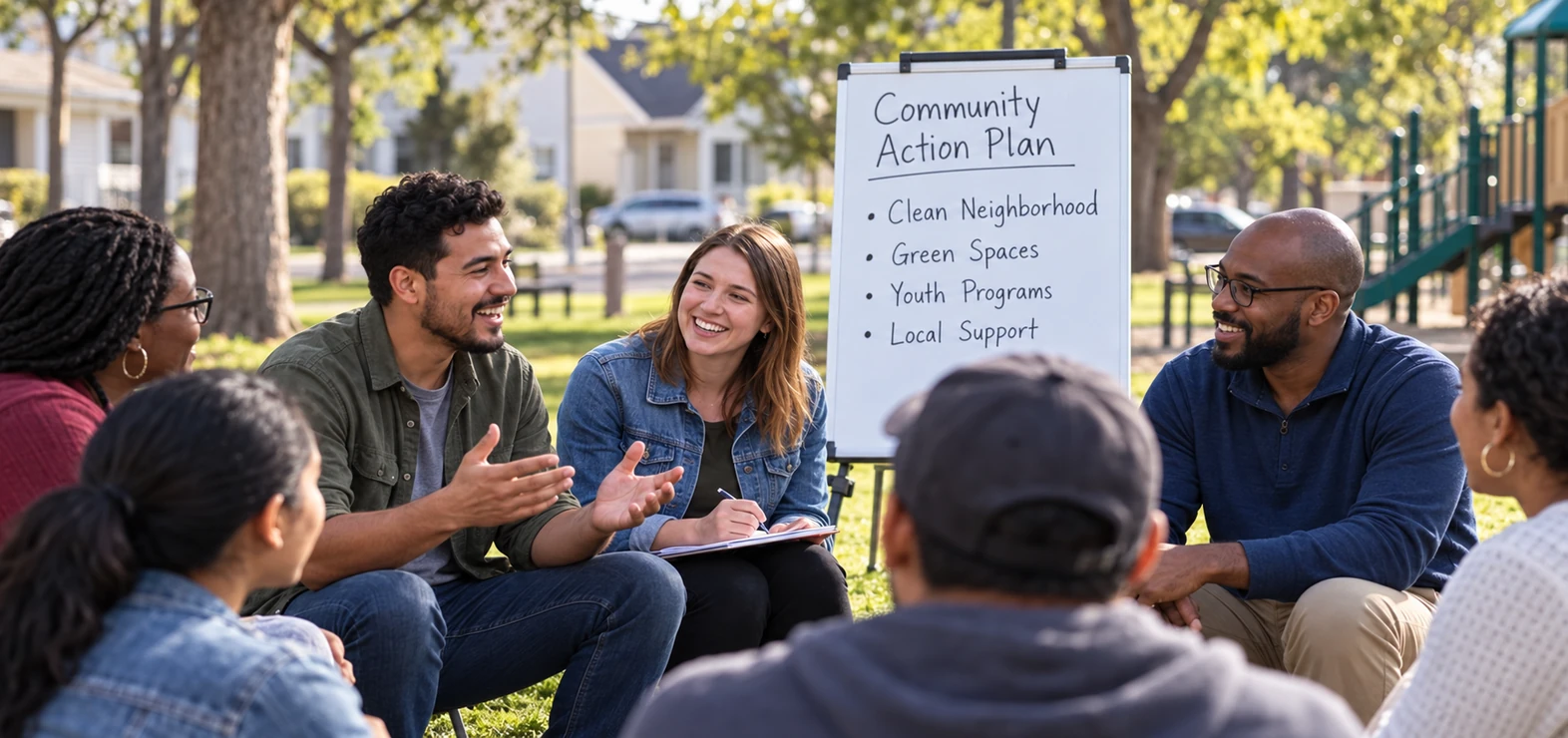
How to turn shared neighborhood challenges into durable community power, grassroots coalitions, and tangible municipal victories.
Learn More
Case studies in how municipal communities coalesce around environmental, housing, and educational issues to demand accountability.
Learn More