Social Policy in the United States
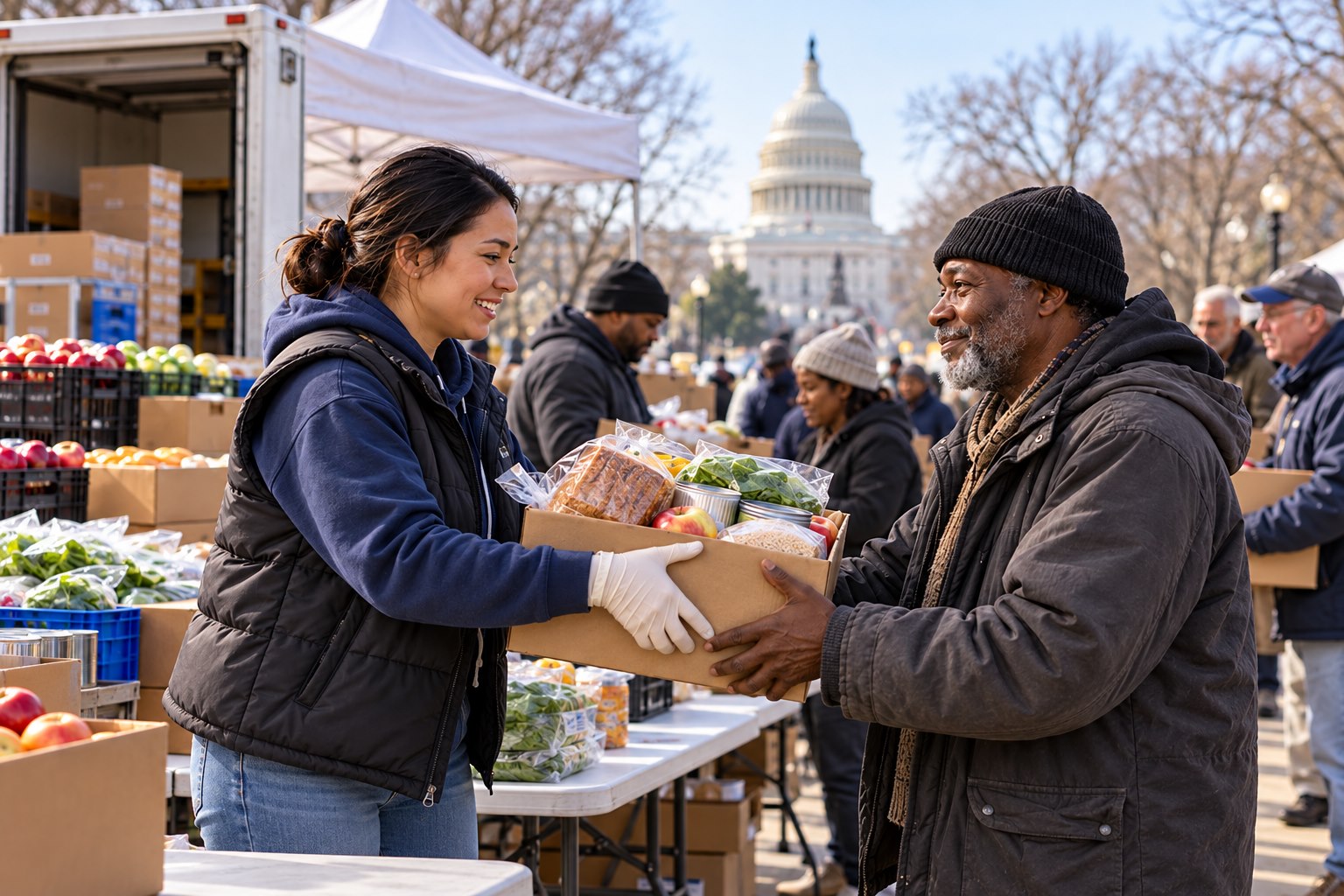
The U.S. safety net combines federal, state, Tribal, and local programs. Social Security and Medicare are federal programs; Medicaid, CHIP, SNAP, housing assistance, and unemployment insurance have distinct eligibility and administration rules.
The main instruments: services, insurance, assistance and regulation

Federal rules and funding often work through state, county, Tribal, and local agencies. The office that accepts an application may differ from the office that decides eligibility or hears an appeal.
From legislation to services: the implementation chain
Digital enrollment can reduce paperwork, but people also need accessible forms, language assistance, and a way to correct records or challenge a denial.
Trade-offs, unintended effects and regulatory safeguards

Assess a program by access, benefit adequacy, processing time, service quality, appeal outcomes, and who remains unserved—not enrollment alone.
Frequently Asked Questions
No. Social policy is a field within public policy focused on welfare, social risks, opportunities and inclusion. Public policy also includes areas such as defense, transport and industrial regulation.
No. In the United States, Social Security most often means federal retirement, survivor, and disability insurance. Social welfare is a broader policy term that includes multiple public programs.
No. Targeted poverty assistance is one component. Public education, health systems, labor standards and pensions affect much wider populations.
The U.S. safety net combines federal, state, Tribal, and local programs. Social Security and Medicare are federal programs; Medicaid, CHIP, SNAP, housing assistance, and unemployment insurance have distinct eligibility and administration rules.
Coverage records who is formally enrolled or eligible. Effective protection asks whether the benefit is adequate, timely and accessible when needed.
Recommended resources
Federal rules and funding often work through state, county, Tribal, and local agencies. The office that accepts an application may differ from the office that decides eligibility or hears an appeal.
Read Similar Articles

Defending consumer rights against predatory corporate practices, deceptive billing, algorithmic bias, and product safety risks.
Learn More
Legal doctrines, regulatory reporting, environmental disclosures, and community enforcement tools holding corporations responsible.
Learn More