Civic Participation: How to Make Community Dialogue Count
A flooded street, broken streetlights or an unreliable water supply can bring neighbors together. But a crowded meeting solves little unless someone has the authority to act. Civic participation works when residents know which decision they can influence, where to raise the issue and when to expect an answer.
What civic participation means in everyday life
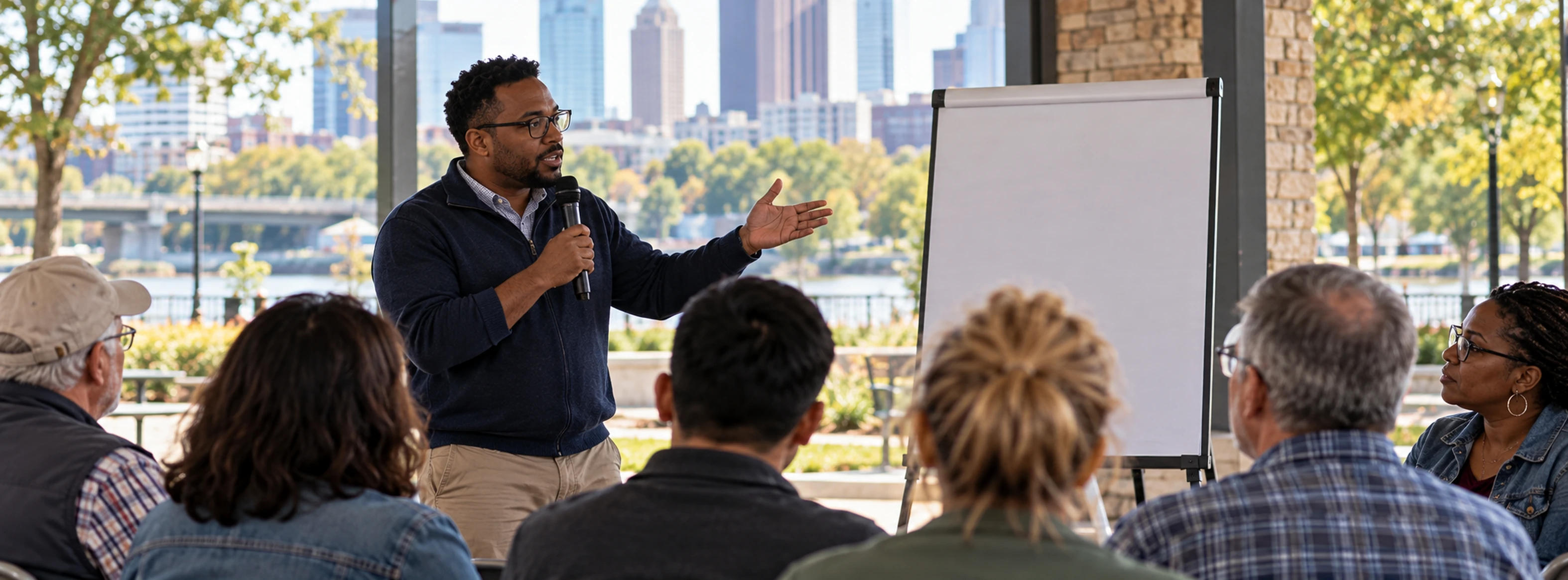
Civic participation covers what people do together to address public concerns: reporting a blocked drain, attending a consultation, monitoring services, volunteering or helping shape a local proposal. Elections matter, but participation does not begin or end at the ballot box. Residents can organize without joining a political party.
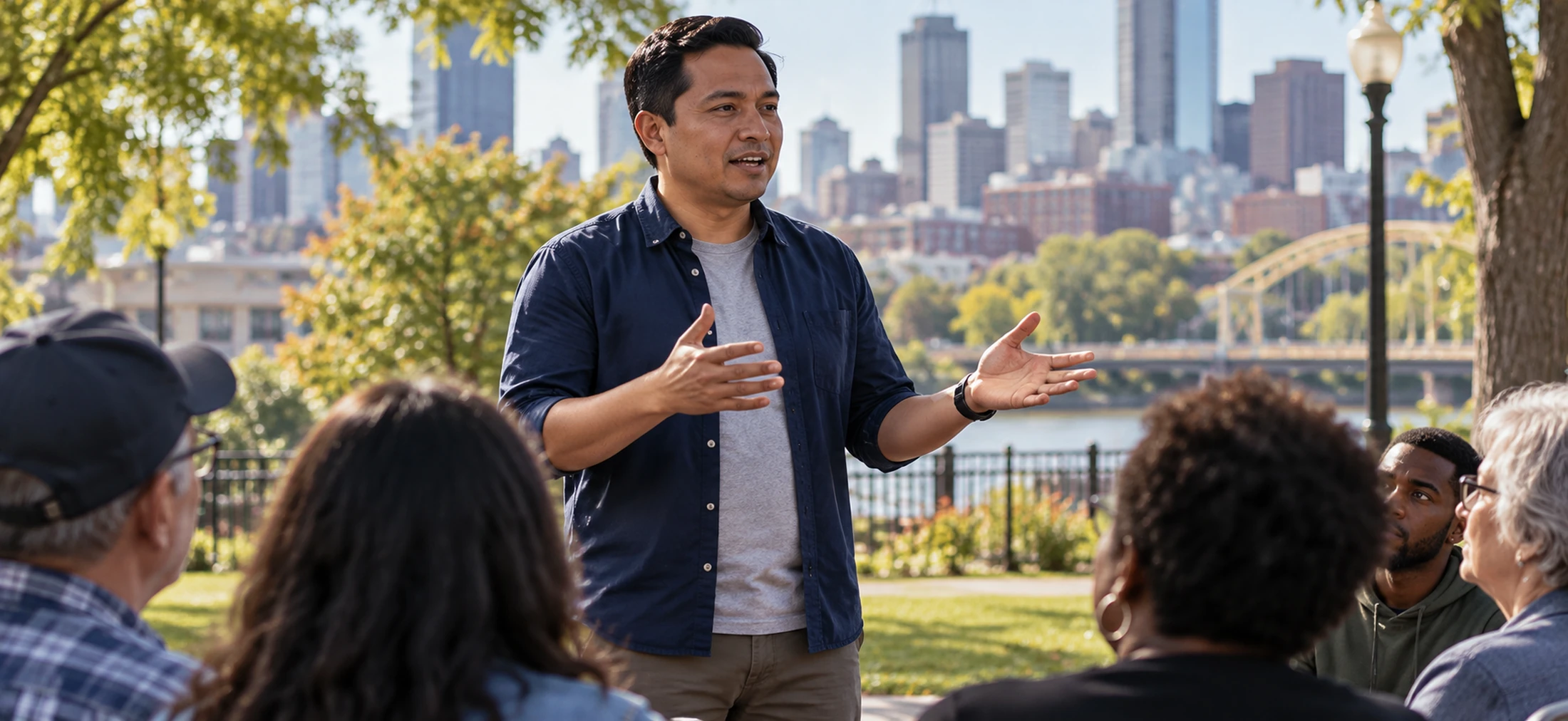
In the United States, civic participation can include public comment, school-board and city-council meetings, state hearings, advisory boards, and community forums. Tell participants whether they are sharing information, advising officials, or taking part in a binding decision; make access and language support clear.

Start with the decision, not the meeting
Start with one decision. For broken streetlights, record the affected roads, who maintains the lights and whether the fix needs routine maintenance or new funding. “Community development” is too broad to assign to an office.
In the United States, civic participation can include public comment, school-board and city-council meetings, state hearings, advisory boards, and community forums. Tell participants whether they are sharing information, advising officials, or taking part in a binding decision; make access and language support clear.
State the limits upfront. A fixed budget cannot fund every idea; legal and engineering reviews may rule out others. Give residents a date and channel for the response.
Which civic dialogue format fits the problem?
Use an open forum or town hall when residents need to question officials. Use a moderated dialogue when people disagree about the problem itself. A public hearing can put objections on the record, though it may offer little room to redesign the proposal. In any large meeting, a few confident speakers can crowd out others.
Surveys reach people who cannot attend, but rarely explain why they chose an answer. Listening sessions and focus groups reveal particular experiences; they cannot speak for everyone. Study circles and roundtables allow more time to examine evidence. Citizens’ assemblies, citizens’ juries and panels require careful recruitment, facilitation and a clear commitment from policymakers about how recommendations will be handled.
Participatory budgeting only makes sense when residents can influence an actual spending allocation. Publish the available amount, eligible projects, costs and selection rules. Deliberative polling needs a more specialized research design. Hybrid meetings can help when some residents prefer in-person discussion and others need remote access.
How forums connect to U.S. civic life
Take recurring floods. Neighbors can map affected streets, photograph blocked drains and ask whether maintenance or a larger project is needed. They can then submit the evidence to the responsible office. At the next meeting, start with that office’s response.
A practical sequence for a credible civic forum
- Define the decision: write the question, the responsible institution, the available options, and the limits of the forum’s influence.
- Recruit beyond the usual voices: reach renters, informal workers, youth, older residents, women, and people with disabilities through channels they actually use.
- Share balanced information: provide short issue guides with relevant data, costs, trade-offs, and uncertainty in accessible language.
- Facilitate fairly: use a neutral moderator, clear speaking rules, active listening, and an opportunity to challenge evidence without attacking people.
- Record outcomes: separate shared priorities, unresolved disagreements, proposals, and questions requiring expert review.
- Assign follow-up: publish who will respond, what will happen next, and when participants can check progress.
Agreement is not always possible. When residents dispute costs or priorities, record the disagreement. For a tense conflict, smaller mediated conversations may work better than a packed hall. Trust depends more on what officials do afterward than on whether everyone leaves smiling.
Choosing digital forums and civic technology
Choose a digital platform for the decision you need to make. Discourse supports threaded discussion and searchable archives. Decidim and Consul Democracy support structured participation; Pol.is helps reveal patterns of agreement across statements. Other options include Citizen OS, Go Vocal, Your Priorities, Civocracy, EngagementHQ, OpenStad, Consider.it, Fora, Parti and Cobudget. They serve different purposes. Check current features, costs, data policies and local support before choosing one.
Reddit-style forums can host open debate, but comments there are not a representative vote or an official submission. Messaging groups are convenient yet hard to archive. Before collecting responses, decide who moderates abuse, protects personal information, handles misinformation and keeps the record.
Representation, safety and the limits of open discussion
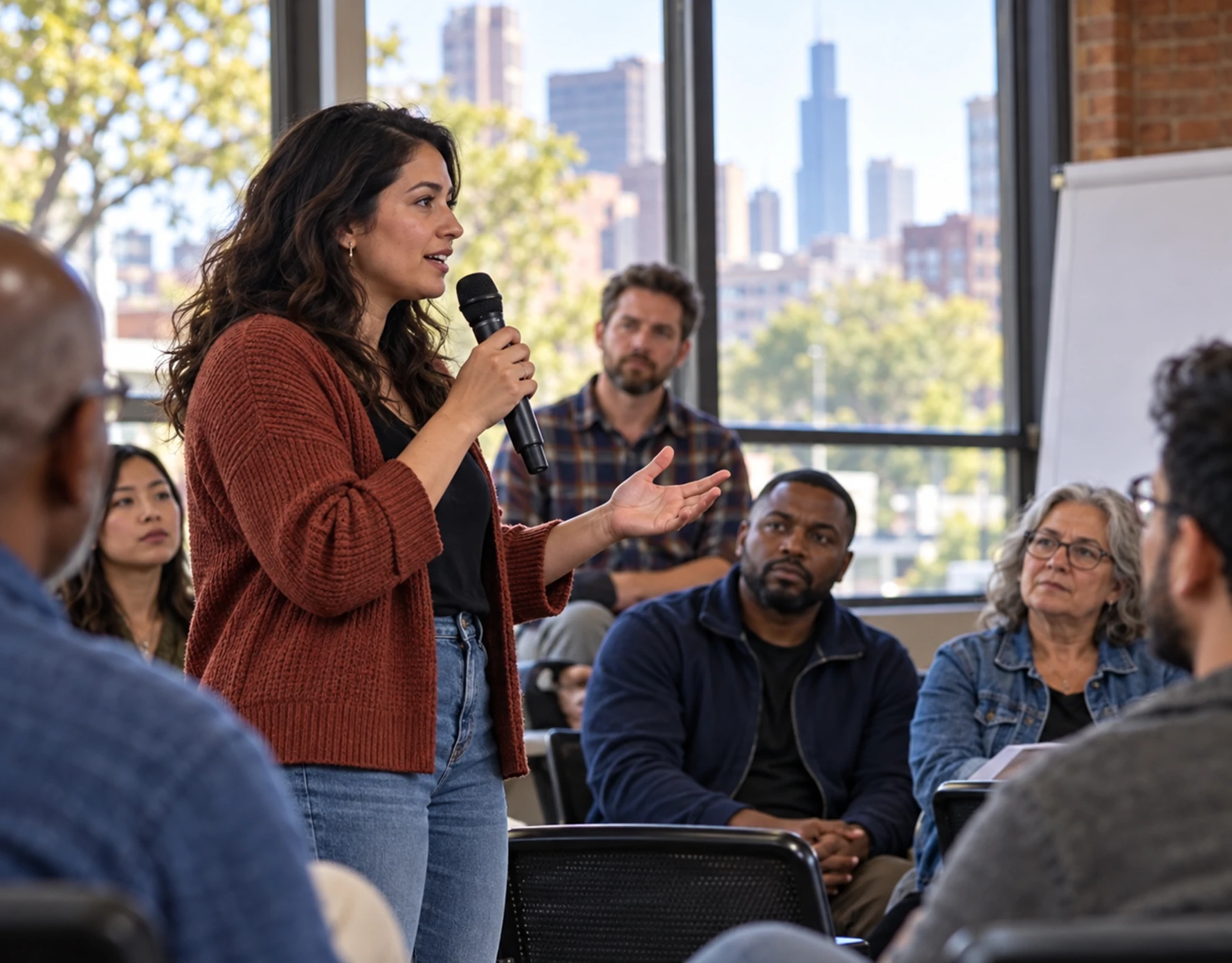
An open invitation mostly reaches people who hear about it and have time to attend. Invite those directly affected, not just community leaders. NGOs, civil society organizations, grassroots groups, researchers, elected representatives and policymakers have different roles. If organizers use a civic lottery or random selection, explain how participants were chosen and what support they received.
Polarization and echo chambers can distort discussion. Set rules that allow criticism of policies but stop personal threats and harassment. Explain how moderation decisions can be challenged. Use confidential reporting for sensitive testimony; emergencies and private allegations should not be handled through an open comment thread.
Avoid tokenism: do not ask residents to deliberate over a decision already made. State whether input is advisory or binding. Later, publish which proposals were accepted, which were rejected and why.
From public feedback to measurable community action
A busy forum is not necessarily an effective one. Keep a public record of the problem, evidence, options, responsible office, decision, deadline and progress. Check whether affected residents took part and whether officials responded.
Attendance and participation diversity show who was reached. Response times, completed work and published decisions show what happened next. High comment counts can hide offline exclusion; popular proposals can still fail a technical review.
Trust grows when residents can see which commitments were kept.
Frequently Asked Questions
No. Voting is one form of political participation. Civic participation also includes consultations, volunteer projects, community monitoring, public deliberation, and collective action.
Dialogue seeks understanding across experiences and values; debate often tests competing positions. A well-designed forum can use both, provided participants know whether the goal is learning, recommending, or deciding.
Not reliably for every community. Digital tools can expand access but may exclude people with limited connectivity, accessibility support, or digital confidence. Hybrid participation offers an alternative when resources allow.
Ask for a published decision record: what was proposed, who reviewed it, why it was accepted or rejected, and when progress will be reported.
Document the problem, identify the institution able to act, and choose a forum that offers a realistic route from evidence to response.
Read Similar Articles
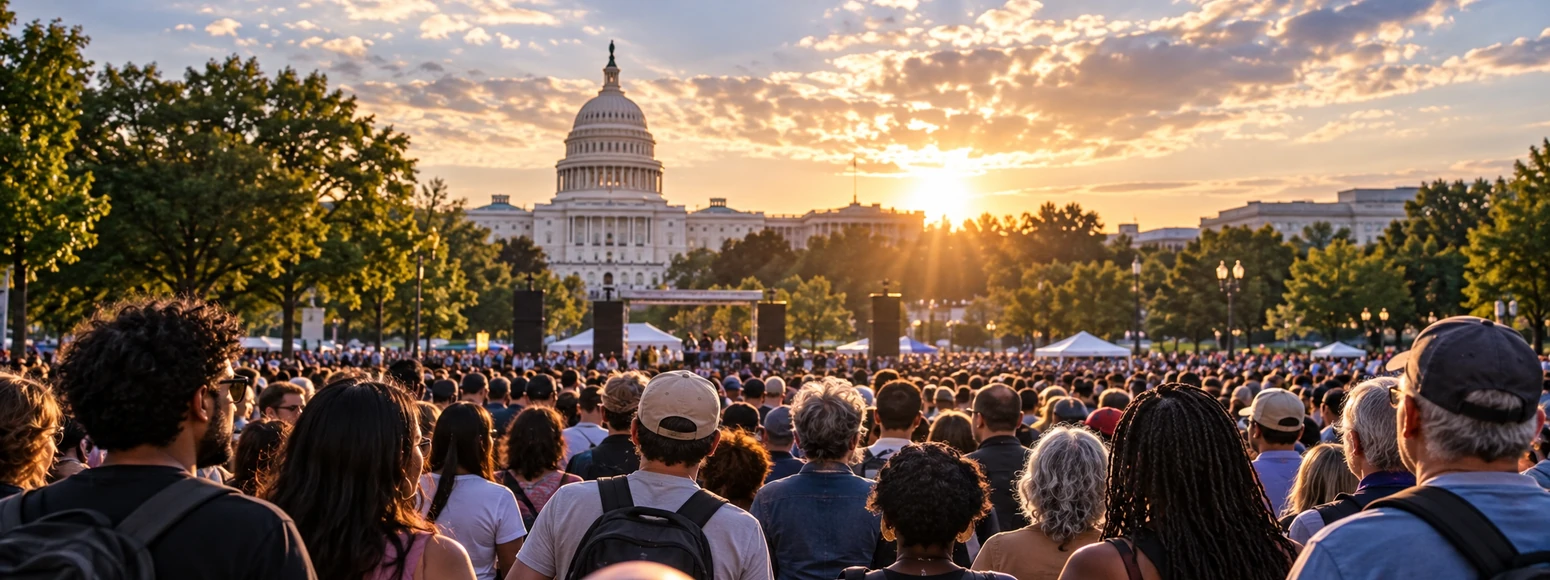
How grassroots organizers converged in Atlanta (2007), Detroit (2010), and 2015 to create a nationwide space for social movements.
Learn More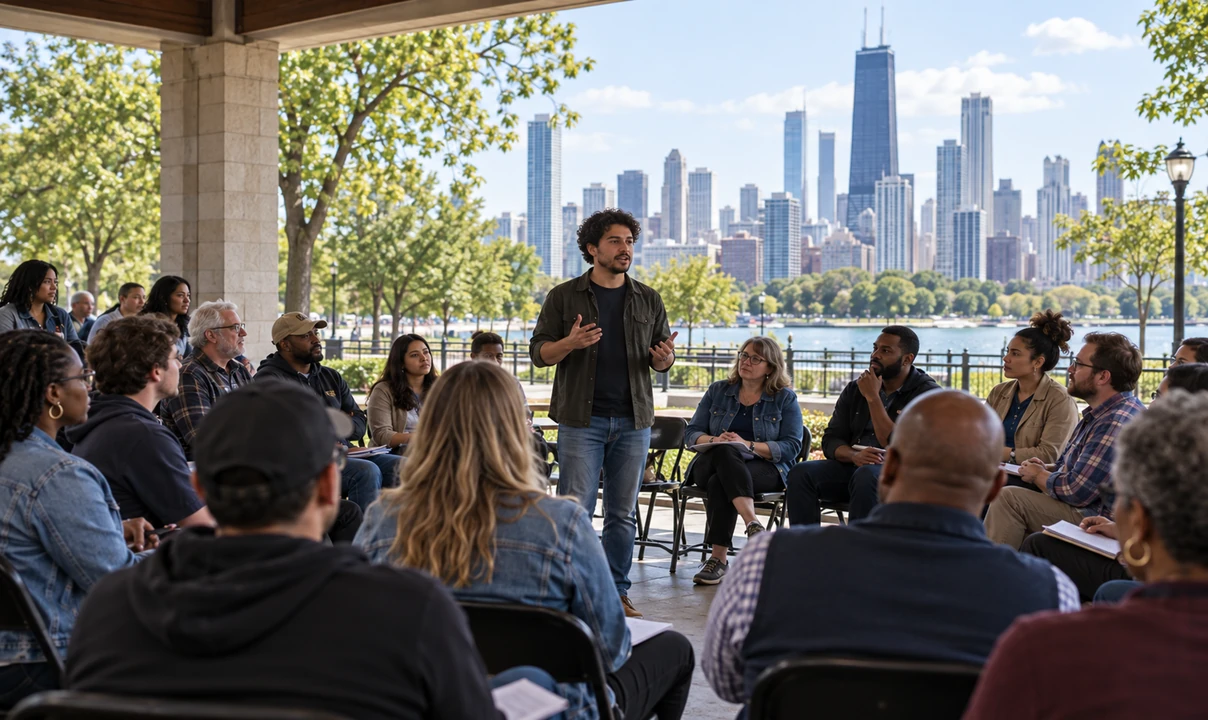
The PMA model: turning deliberative dialogue into collective governance, grassroots resolutions, and joint movement strategy.
Learn More