Labor Movements: How Workers Shape Rights, Wages, and Policy
The U.S. labor movement has developed through organizing, collective bargaining, strikes, legislation, and litigation. Its history includes changing labor laws and conflicts over who is covered; current rights depend on the worker, employer, sector, and applicable federal or state law.
What labor movements actually change
The U.S. labor movement has developed through organizing, collective bargaining, strikes, legislation, and litigation. Its history includes changing labor laws and conflicts over who is covered; current rights depend on the worker, employer, sector, and applicable federal or state law.
How worker organization becomes bargaining power
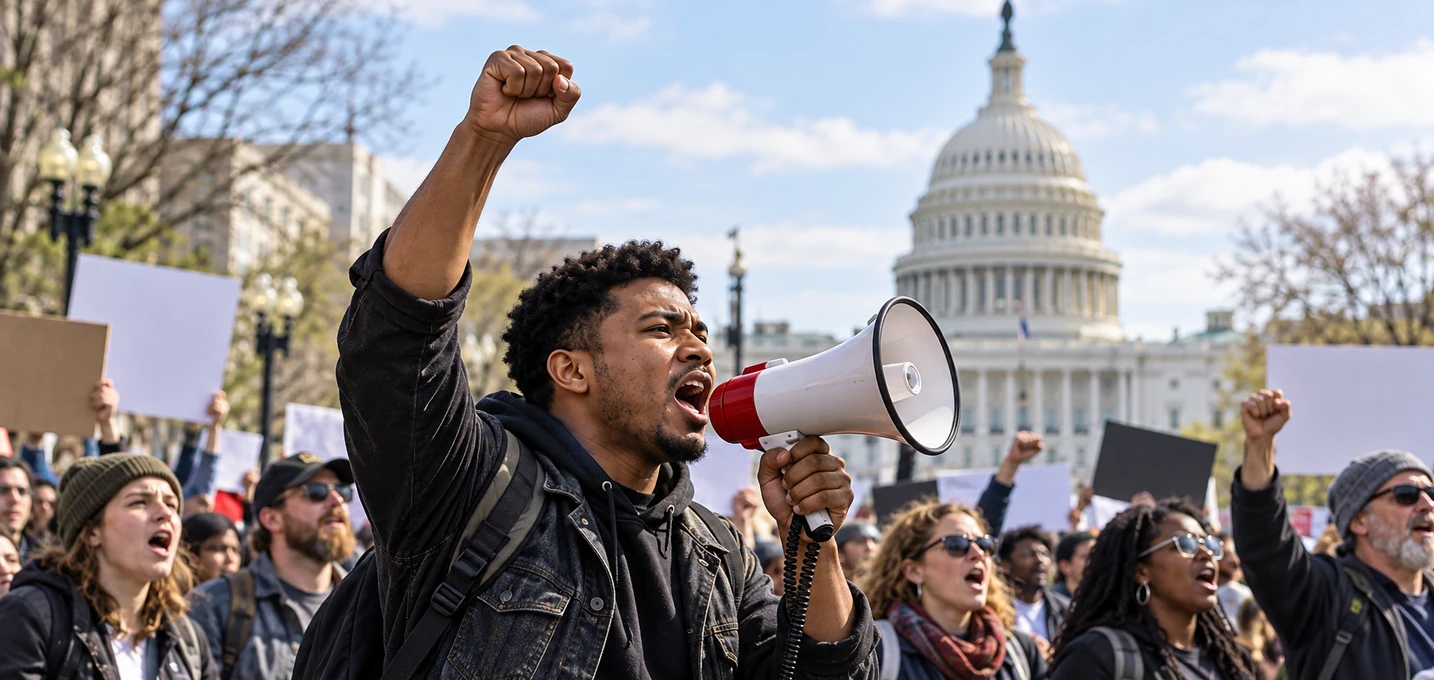
A worker can reject a contract, but walking away is expensive when jobs are scarce. Organizing changes that calculation. Colleagues can compare payslips, agree on demands, elect representatives, and negotiate together. A collective labor agreement might set overtime rules, allowances, safety procedures, or a process for challenging discipline. It is not the same as a statutory minimum: legislation sets basic obligations, while bargaining may secure more. Strikes, picketing, and boycotts sometimes increase pressure, although legal rules differ. Outsourced, migrant, informal, and platform workers may struggle to join the same bargaining structure. A campaign needs accountable representatives and a way to check compliance; publicity by itself cannot enforce a wage agreement.
From industrialization to organized labor
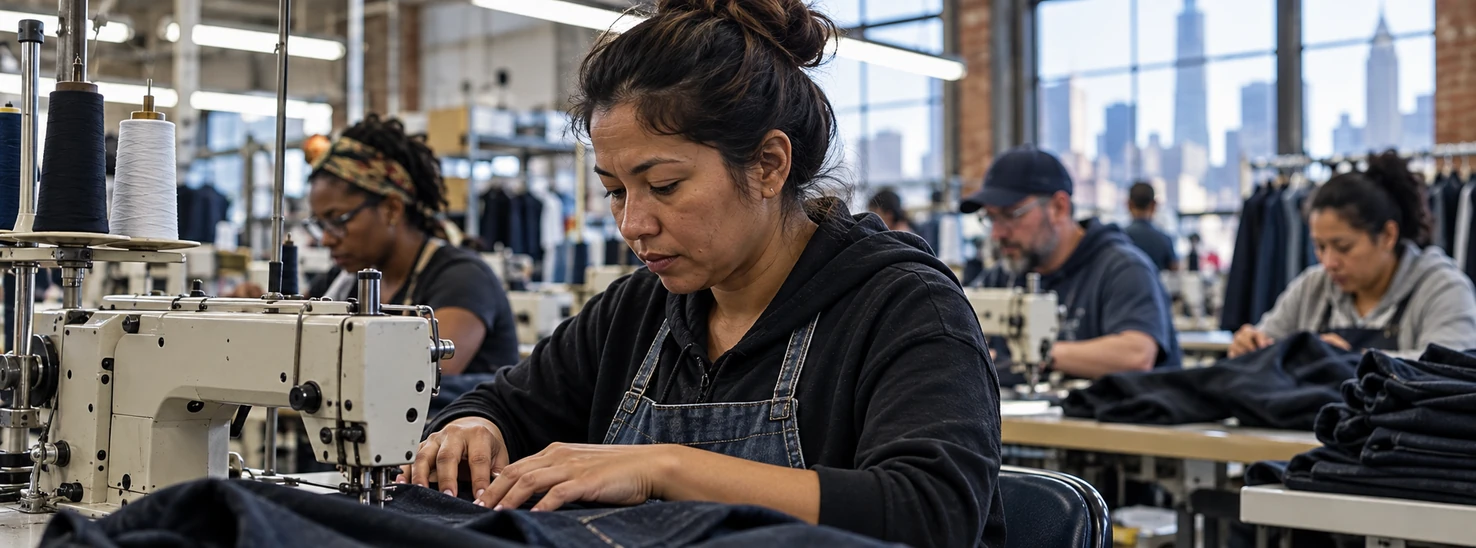
The Industrial Revolution brought workers into factories and mines where long hours, dangerous machinery, low wages, and child labor became central political disputes. In the United States, the Knights of Labor promoted broad worker organization, while the American Federation of Labor (AFL), associated with Samuel Gompers, emphasized craft unions and practical collective bargaining. Terence V. Powderly led the Knights of Labor during part of their expansion. The Industrial Workers of the World (IWW) later advocated industrial unionism across occupational lines. Industrial conflicts such as the Great Railroad Strike of 1877, Haymarket Affair of 1886, Homestead Strike of 1892, Pullman Strike of 1894, and Lawrence Textile Strike of 1912 exposed tensions between employers, workers, police, courts, and government. Eugene V. Debs became a prominent figure following the Pullman conflict. These events were not interchangeable victories: some ended in repression or defeat, yet reshaped public debate about labor rights. During the Great Depression and New Deal, Franklin D. Roosevelt’s administration and Labor Secretary Frances Perkins helped advance reforms. Senator Robert F. Wagner sponsored the 1935 National Labor Relations Act, commonly called the Wagner Act. The Congress of Industrial Organizations (CIO), linked to leaders such as John L. Lewis and Sidney Hillman, organized mass-production industries; the Flint Sit-Down Strike of 1936–1937 became a turning point. The AFL and CIO merged in 1955 into the AFL-CIO. The Memphis Sanitation Strike of 1968 demonstrated how labor demands also intersected with civil rights and racial equality. These episodes show that strikes alone rarely changed the rules. Organizing, political pressure, and legislation often mattered just as much.
The laws and institutions behind labor rights
Different legal systems offer different tools. In the United States, the Railway Labor Act (1926), Norris-LaGuardia Act (1932), National Labor Relations Act (1935), Fair Labor Standards Act (1938), Taft-Hartley Act or Labor Management Relations Act (1947), and Labor-Management Reporting and Disclosure Act (1959) each changed parts of the industrial-relations system. The National Labor Relations Board (NLRB) administers the NLRA for covered private-sector employment; it is not a universal labor regulator. Right-to-work laws concern compulsory union-related payments in certain US jurisdictions, not a general right to employment. Internationally, the International Labor Organization (ILO) develops labor standards, including Convention No. 87 on freedom of association and Convention No. 98 on organizing and collective bargaining. International standards inform domestic reform but should not be mistaken for identical enforcement rules in every country. The Organization for Economic Co-operation and Development (OECD) compares union membership and bargaining coverage across economies. These are distinct metrics: union density counts members as a share of employees, while bargaining coverage measures workers whose conditions are governed by collective agreements. A country can have relatively low membership but broad agreement coverage when sector-level bargaining or extensions apply.
U.S. labor movement history
Why labor movements matter for economic policy
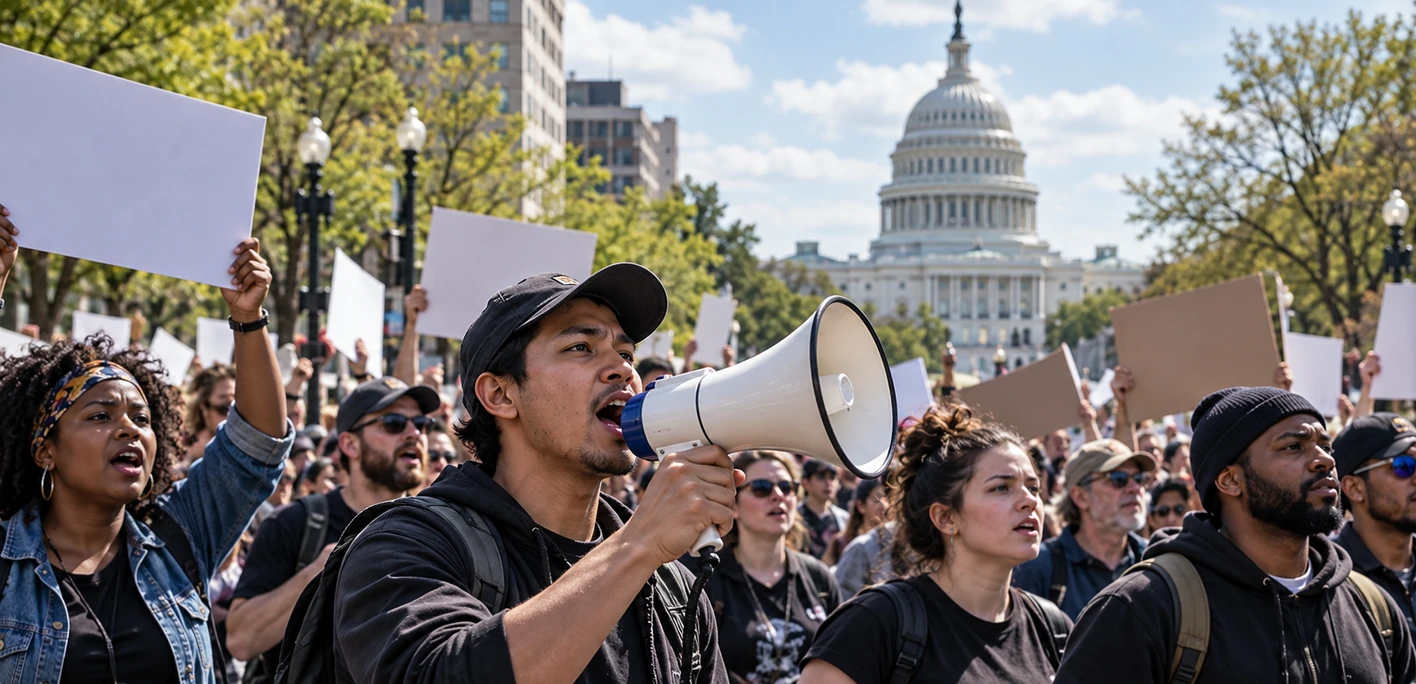
Labor movements influence more than pay packets. Collective bargaining can affect the distribution of income between labor and capital, the predictability of wage growth, workplace productivity, turnover, and the distribution of risks during downturns. Minimum wage policy is set through public institutions, while negotiated wages may exceed the statutory floor. Strong worker voice can improve reporting of unsafe conditions and reduce information gaps between management and employees. However, the effects are not automatic. Wage gains in one group may coexist with limited coverage for informal workers, unemployment risks in vulnerable sectors, or greater costs for small firms. Bargaining power varies with unemployment, market concentration, subcontracting, inflation, and the ability of businesses to adjust prices and investment. Economic claims should distinguish a change in nominal wages from purchasing power after inflation. Researchers also separate union wage premiums from causal effects: union members may work in different industries or have different characteristics from nonmembers. A credible assessment therefore compares outcomes over time and across similar workers and workplaces, rather than attributing every wage difference to union membership.
Who is represented—and who can be left out
How to evaluate a union or collective campaign
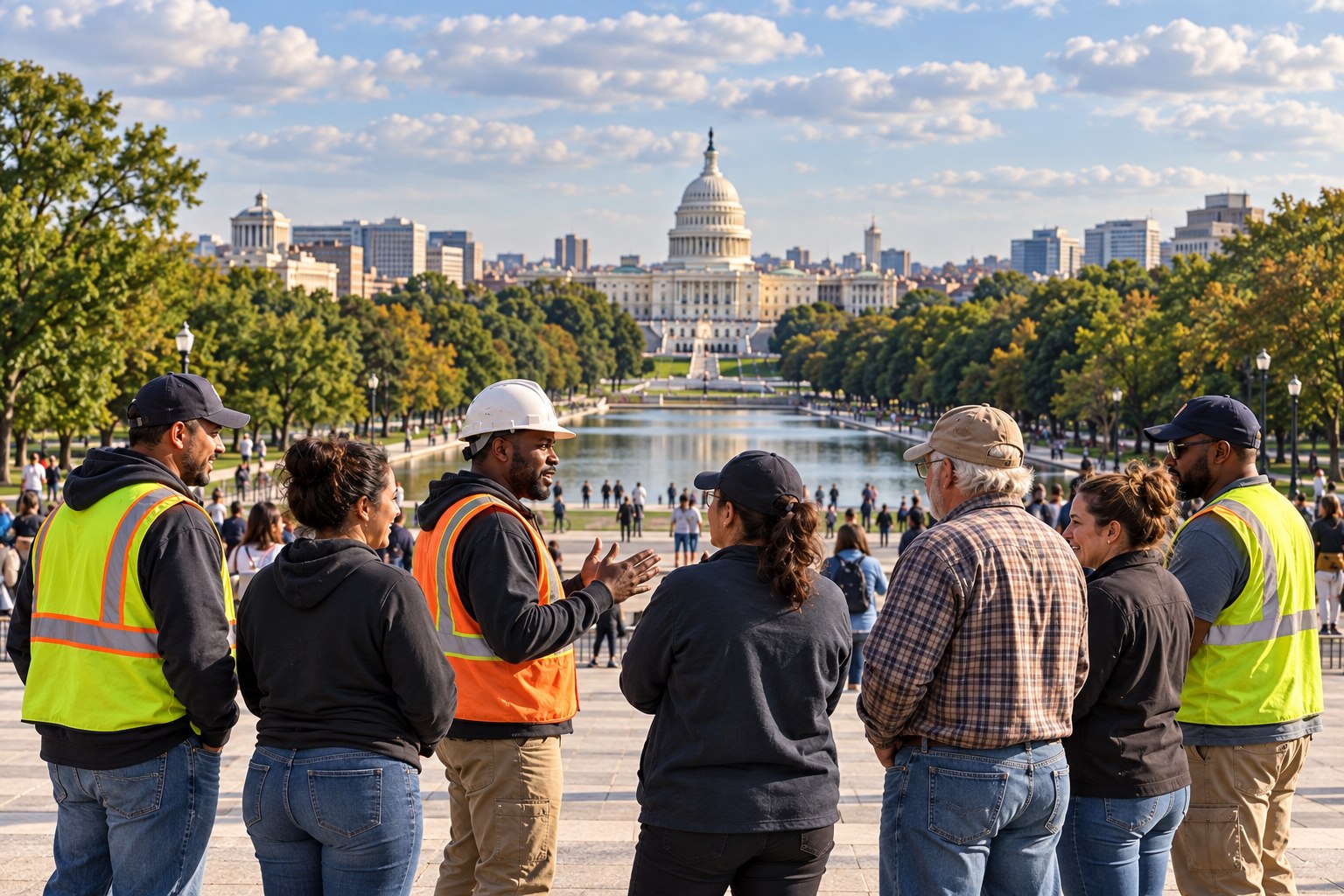
Before joining a campaign or relying on its promises, establish what it can realistically change. First identify the legal relationship: employee, contract worker, outsourced worker, independent contractor, or informal worker. Then identify the employer or decision-maker with authority over the disputed condition. Ask whether an active union or worker organization exists, whom it represents, and how representatives are selected. Review its constitution, membership fees, internal voting process, dispute history, and any collective labor agreement. Define the demand precisely: base wage, overtime calculation, protective equipment, schedule, social insurance contributions, or termination procedure. Separate legally guaranteed rights from additional bargaining goals. Check whether a grievance can be documented through payslips, rosters, contracts, written instructions, or incident records. Assess retaliation risk and available legal support before public action. Finally, define success in measurable terms: an executed agreement, corrected payroll, fewer injuries, predictable hours, or a functioning grievance channel. Public demonstrations may build pressure, but a practical plan must also specify who negotiates, how progress is recorded, and how compliance will be verified.
Labor organizing and current legal protections
The future: platform work, automation, and global supply chains

Frequently Asked Questions
No. A labor movement is a broader set of collective efforts; a trade union is one organizational form within it. Movements can also include campaigns, federations, political organizing, and informal worker networks.
No. Bargaining outcomes depend on coverage, employer finances, labor-market conditions, enforceability, and legal context. Compare real wages, benefits, job security, and working conditions rather than wages alone.
In the United States, labor organizing expanded through worker campaigns, collective bargaining, and federal and state legislation. The National Labor Relations Act of 1935 established important collective-action rights for covered private-sector employees; coverage and enforcement have changed over time.
Union density measures membership among employees; bargaining coverage measures how many workers fall under collective agreements. They should not be used interchangeably.
Read Similar Articles
A comprehensive review of statutory workplace protections, wage theft prevention, safe working conditions, and remedies.
Learn More
Analyzing living wage benchmarks, wage stagnation, overtime regulations, and systemic workforce transition policies.
Learn More