Gambling Harm and Communities: Why the Damage Spreads Beyond the Player
In the United States, gambling-related health care and treatment options vary by state and insurance coverage. People can start with a health care provider, a state problem-gambling program, or the National Council on Problem Gambling helpline and treatment directory.
What counts as gambling harm?
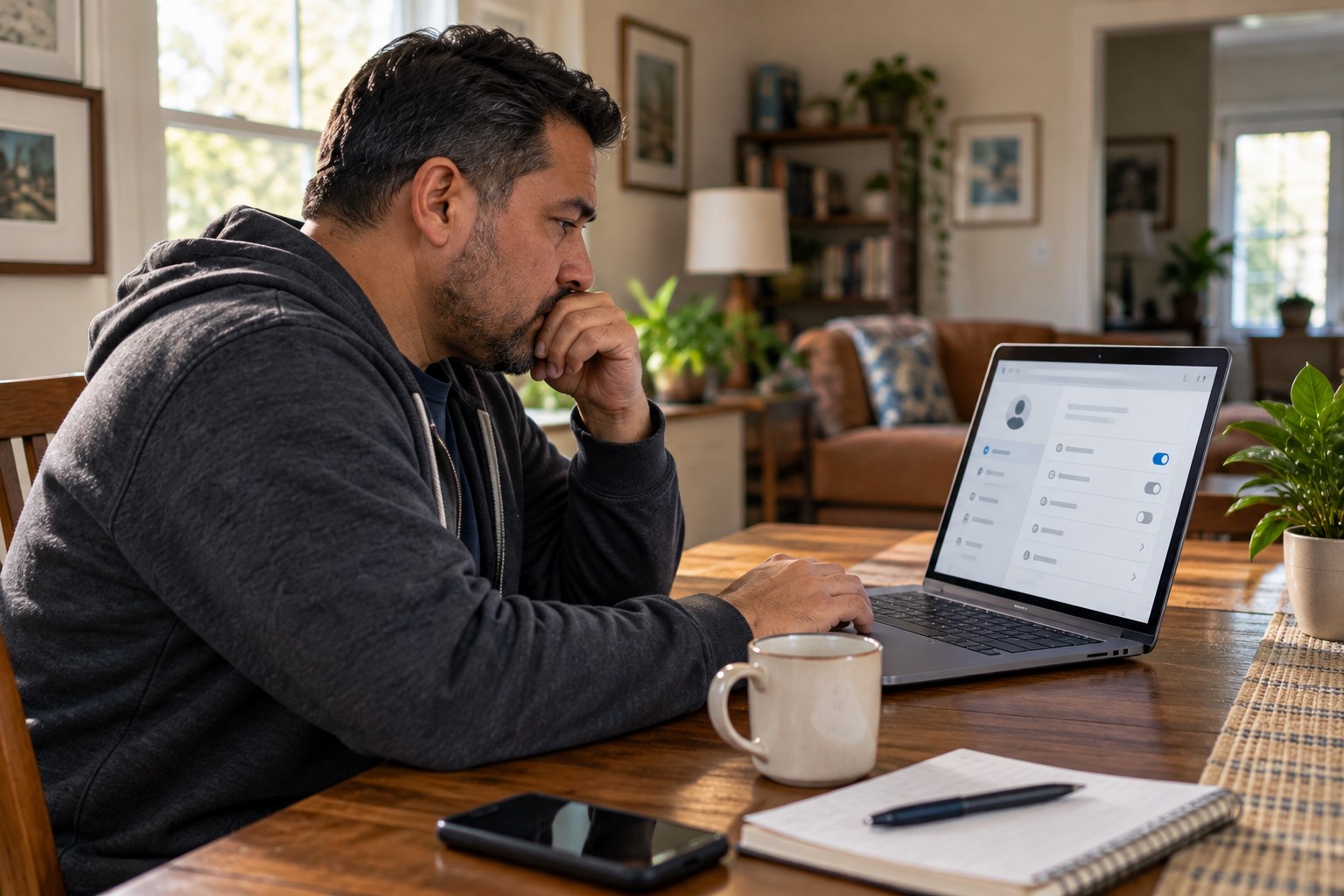
Gambling harm covers losses and consequences beyond a medical diagnosis: unpaid bills, damaged relationships, stress, neglect and, in some cases, violence or crime. The World Health Organization (WHO) also identifies suicide risk among serious possible outcomes. Debt is a warning sign, not proof that someone has gambling disorder.
How individual losses become community costs
Household budgets and intergenerational pressure

Repeated deposits can leave too little for groceries, rent, utilities or medical care. A family might borrow to pay a school bill, then face interest and another repayment date. Some relatives settle debts they never agreed to take on; others postpone treatment or sell possessions. The effects on children can persist even when they have never used a gambling website.
A large transaction total does not tell us how much households lost. The same money may pass through several bets, accounts or transfers. Net losses and missed essential spending are different measures, and policymakers need to keep them separate.
Relationships, safety and mental health
Hidden losses often surface as arguments over shared money. Promises to stop may be followed by more borrowing, and shame can keep people from seeking help. Anxiety, depression and substance-use problems can occur alongside harmful gambling, but their causes need individual assessment. Where threats or financial coercion are involved, safety comes before debt negotiation.
Workplaces, local businesses and social trust

At work, debt and sleeplessness may show up as missed shifts or poor concentration. Some severe cases involve fraud or theft; that does not mean most people with gambling problems commit crimes. A relative who lends money, a coworker asked for an advance or a small shop losing regular household spending can all feel the consequences. Unpaid informal loans also strain trust.
U.S. Policy and Community Resources
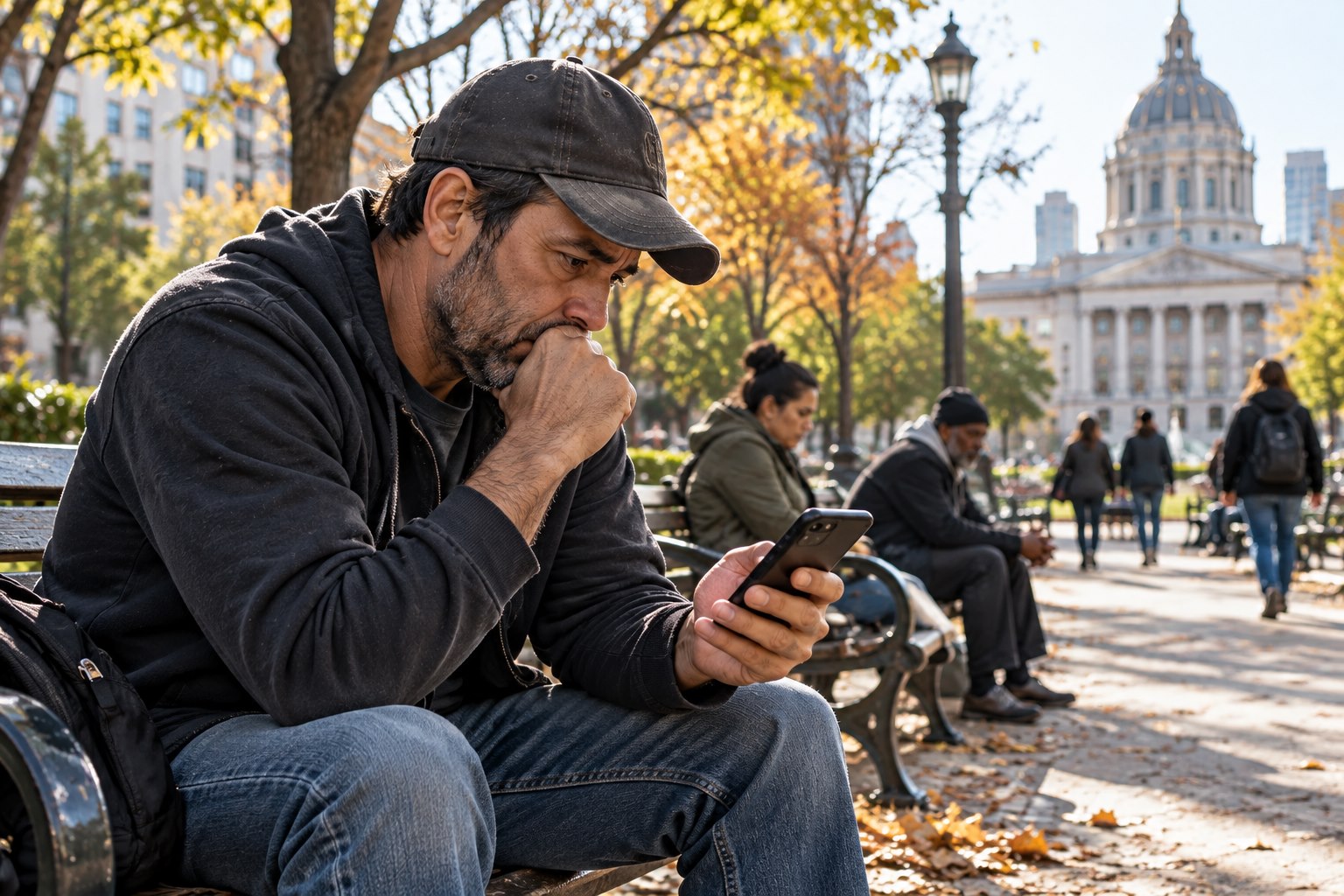
Why blocking websites alone is insufficient
What should a family or community do first?
| Observed situation | Priority action | What to check next |
|---|---|---|
| Essential bills are being missed | Protect food, housing, utilities and children's needs; document actual income, debts and payment deadlines. | Whether shared accounts or payment methods remain exposed to further gambling deposits. |
| A person repeatedly chases losses | Encourage a non-judgmental conversation and professional assessment; avoid providing unrestricted cash to replace losses. | Whether gambling continues despite serious consequences or repeated attempts to stop. |
| Threats, violence or coercive debt collection occur | Prioritize immediate physical safety and contact appropriate emergency or law-enforcement services. | Whether children or other dependents need separate protection. |
| Students encounter gambling links | Preserve relevant evidence, report the promotion to the platform and school safeguarding contact, and discuss financial manipulation without shaming. | Whether the exposure involved payment requests, identity theft or use of a parent's account. |
| Community leaders see repeated debt crises | Offer confidential referral pathways and financial-literacy support rather than public naming or punishment. | Whether referrals are actually accessible and whether families report improved stability. |
Protect essential spending and children even before a formal diagnosis. A healthcare professional can assess persistent gambling and related mental-health concerns. Threats, violence or immediate self-harm risk require urgent assistance.
Which policy responses reduce harm rather than merely move it?
- Track affiliate links, paid promotions, spam and promises of easy income; check whether promotions reappear on other channels.
- Flag suspicious payments through the bank, card issuer, or payment provider, and check for false positives or movement to other payment routes.
- Teach students how gambling promotions work and how to report them; secure payment credentials without relying on scare tactics.
- Offer confidential screening, debt advice and mental-health referrals through services people already use.
- Measure household hardship and access to support alongside enforcement totals; protect personal data.
How can progress be verified?

Useful local measures include missed essential payments, repeated debt-related referrals, reports of gambling approaches to students, and access to counseling. Researchers should also check who is missing from the data: rural households, people afraid to disclose gambling, or those using payment channels that are harder to trace. Privacy safeguards matter.
Even a fall in recorded turnover can mislead. Reporting rules, detection coverage or payment routes may have changed. Financial intelligence is more informative when compared with confidential household surveys and health-service records collected on consistent definitions.
Protecting households after enforcement
Blocking illegal operators matters, but families also need protected household essentials, confidential care and workable debt support. Fewer missed payments and safer homes are more meaningful outcomes than takedown counts alone.